
Get trending papers in your email inbox once a day!
Get trending papers in your email inbox!
Subscribe
Neural data-to-text generation: A comparison between pipeline and end-to-end architectures
Traditionally, most data-to-text applications have been designed using a modular pipeline architecture, in which non-linguistic input data is converted into natural language through several intermediate transformations. In contrast, recent neural models for data-to-text generation have been proposed as end-to-end approaches, where the non-linguistic input is rendered in natural language with much less explicit intermediate representations in-between. This study introduces a systematic comparison between neural pipeline and end-to-end data-to-text approaches for the generation of text from RDF triples. Both architectures were implemented making use of state-of-the art deep learning methods as the encoder-decoder Gated-Recurrent Units (GRU) and Transformer. Automatic and human evaluations together with a qualitative analysis suggest that having explicit intermediate steps in the generation process results in better texts than the ones generated by end-to-end approaches. Moreover, the pipeline models generalize better to unseen inputs. Data and code are publicly available.
Advancing Parsimonious Deep Learning Weather Prediction using the HEALPix Mesh
We present a parsimonious deep learning weather prediction model to forecast seven atmospheric variables with 3-h time resolution for up to one-year lead times on a 110-km global mesh using the Hierarchical Equal Area isoLatitude Pixelization (HEALPix). In comparison to state-of-the-art (SOTA) machine learning (ML) weather forecast models, such as Pangu-Weather and GraphCast, our DLWP-HPX model uses coarser resolution and far fewer prognostic variables. Yet, at one-week lead times, its skill is only about one day behind both SOTA ML forecast models and the SOTA numerical weather prediction model from the European Centre for Medium-Range Weather Forecasts. We report several improvements in model design, including switching from the cubed sphere to the HEALPix mesh, inverting the channel depth of the U-Net, and introducing gated recurrent units (GRU) on each level of the U-Net hierarchy. The consistent east-west orientation of all cells on the HEALPix mesh facilitates the development of location-invariant convolution kernels that successfully propagate weather patterns across the globe without requiring separate kernels for the polar and equatorial faces of the cube sphere. Without any loss of spectral power after the first two days, the model can be unrolled autoregressively for hundreds of steps into the future to generate realistic states of the atmosphere that respect seasonal trends, as showcased in one-year simulations.
An Innovative CGL-MHA Model for Sarcasm Sentiment Recognition Using the MindSpore Framework
The pervasive use of the Internet and social media introduces significant challenges to automated sentiment analysis, particularly for sarcastic expressions in user-generated content. Sarcasm conveys negative emotions through ostensibly positive or exaggerated language, complicating its detection within natural language processing tasks. To address this, we propose an innovative sarcasm detection model integrating Convolutional Neural Networks (CNN), Gated Recurrent Units (GRU), Long Short-Term Memory (LSTM), and Multi-Head Attention mechanisms. The CNN component captures local n-gram features, while GRU and LSTM layers model sequential dependencies and contextual information. Multi-Head Attention enhances the model's focus on relevant parts of the input, improving interpretability. Experiments on two sarcasm detection datasets, Headlines and Riloff, demonstrate that the model achieves an accuracy of 81.20% and an F1 score of 80.77% on Headlines, and an accuracy of 79.72% with an F1 score of 61.39% on Riloff, outperforming traditional models. These results validate the effectiveness of our hybrid approach for sarcasm detection in social media texts.
The History Began from AlexNet: A Comprehensive Survey on Deep Learning Approaches
Deep learning has demonstrated tremendous success in variety of application domains in the past few years. This new field of machine learning has been growing rapidly and applied in most of the application domains with some new modalities of applications, which helps to open new opportunity. There are different methods have been proposed on different category of learning approaches, which includes supervised, semi-supervised and un-supervised learning. The experimental results show state-of-the-art performance of deep learning over traditional machine learning approaches in the field of Image Processing, Computer Vision, Speech Recognition, Machine Translation, Art, Medical imaging, Medical information processing, Robotics and control, Bio-informatics, Natural Language Processing (NLP), Cyber security, and many more. This report presents a brief survey on development of DL approaches, including Deep Neural Network (DNN), Convolutional Neural Network (CNN), Recurrent Neural Network (RNN) including Long Short Term Memory (LSTM) and Gated Recurrent Units (GRU), Auto-Encoder (AE), Deep Belief Network (DBN), Generative Adversarial Network (GAN), and Deep Reinforcement Learning (DRL). In addition, we have included recent development of proposed advanced variant DL techniques based on the mentioned DL approaches. Furthermore, DL approaches have explored and evaluated in different application domains are also included in this survey. We have also comprised recently developed frameworks, SDKs, and benchmark datasets that are used for implementing and evaluating deep learning approaches. There are some surveys have published on Deep Learning in Neural Networks [1, 38] and a survey on RL [234]. However, those papers have not discussed the individual advanced techniques for training large scale deep learning models and the recently developed method of generative models [1].
Empirical Evaluation of Gated Recurrent Neural Networks on Sequence Modeling
In this paper we compare different types of recurrent units in recurrent neural networks (RNNs). Especially, we focus on more sophisticated units that implement a gating mechanism, such as a long short-term memory (LSTM) unit and a recently proposed gated recurrent unit (GRU). We evaluate these recurrent units on the tasks of polyphonic music modeling and speech signal modeling. Our experiments revealed that these advanced recurrent units are indeed better than more traditional recurrent units such as tanh units. Also, we found GRU to be comparable to LSTM.
VECTOR: Velocity-Enhanced GRU Neural Network for Real-Time 3D UAV Trajectory Prediction
This paper tackles the challenge of real-time 3D trajectory prediction for UAVs, which is critical for applications such as aerial surveillance and defense. Existing prediction models that rely primarily on position data struggle with accuracy, especially when UAV movements fall outside the position domain used in training. Our research identifies a gap in utilizing velocity estimates, first-order dynamics, to better capture the dynamics and enhance prediction accuracy and generalizability in any position domain. To bridge this gap, we propose a new trajectory prediction method using Gated Recurrent Units (GRUs) within sequence-based neural networks. Unlike traditional methods that rely on RNNs or transformers, this approach forecasts future velocities and positions based on historical velocity data instead of positions. This is designed to enhance prediction accuracy and scalability, overcoming challenges faced by conventional models in handling complex UAV dynamics. The methodology employs both synthetic and real-world 3D UAV trajectory data, capturing a wide range of flight patterns, speeds, and agility. Synthetic data is generated using the Gazebo simulator and PX4 Autopilot, while real-world data comes from the UZH-FPV and Mid-Air drone racing datasets. The GRU-based models significantly outperform state-of-the-art RNN approaches, with a mean square error (MSE) as low as 2 x 10^-8. Overall, our findings confirm the effectiveness of incorporating velocity data in improving the accuracy of UAV trajectory predictions across both synthetic and real-world scenarios, in and out of position data distributions. Finally, we open-source our 5000 trajectories dataset and a ROS 2 package to facilitate the integration with existing ROS-based UAV systems.
SEA-ViT: Sea Surface Currents Forecasting Using Vision Transformer and GRU-Based Spatio-Temporal Covariance Modeling
Forecasting sea surface currents is essential for applications such as maritime navigation, environmental monitoring, and climate analysis, particularly in regions like the Gulf of Thailand and the Andaman Sea. This paper introduces SEA-ViT, an advanced deep learning model that integrates Vision Transformer (ViT) with bidirectional Gated Recurrent Units (GRUs) to capture spatio-temporal covariance for predicting sea surface currents (U, V) using high-frequency radar (HF) data. The name SEA-ViT is derived from ``Sea Surface Currents Forecasting using Vision Transformer,'' highlighting the model's emphasis on ocean dynamics and its use of the ViT architecture to enhance forecasting capabilities. SEA-ViT is designed to unravel complex dependencies by leveraging a rich dataset spanning over 30 years and incorporating ENSO indices (El Niño, La Niña, and neutral phases) to address the intricate relationship between geographic coordinates and climatic variations. This development enhances the predictive capabilities for sea surface currents, supporting the efforts of the Geo-Informatics and Space Technology Development Agency (GISTDA) in Thailand's maritime regions. The code and pretrained models are available at https://github.com/kaopanboonyuen/gistda-ai-sea-surface-currents.

Reconstructing unseen modalities and pathology with an efficient Recurrent Inference Machine
Objective: To allow efficient learning using the Recurrent Inference Machine (RIM) for image reconstruction whereas not being strictly dependent on the training data distribution so that unseen modalities and pathologies are still accurately recovered. Methods: Theoretically, the RIM learns to solve the inverse problem of accelerated-MRI reconstruction whereas being robust to variable imaging conditions. The efficiency and generalization capabilities with different training datasets were studied, as well as recurrent network units with decreasing complexity: the Gated Recurrent Unit (GRU), the Minimal Gated Unit (MGU), and the Independently Recurrent Neural Network (IndRNN), to reduce inference times. Validation was performed against Compressed Sensing (CS) and further assessed based on data unseen during training. A pathology study was conducted by reconstructing simulated white matter lesions and prospectively undersampled data of a Multiple Sclerosis patient. Results: Training on a single modality of 3T T_1-weighted brain data appeared sufficient to also reconstruct 7T T_{2}^*-weighted brain and 3T T_2-weighted knee data. The IndRNN is an efficient recurrent unit, reducing inference time by 68\% compared to CS, whereas maintaining performance. The RIM was able to reconstruct lesions unseen during training more accurately than CS when trained on T_2-weighted knee data. Training on T_1-weighted brain data and on combined data slightly enhanced the signal compared to CS. Conclusion: The RIM is efficient when decreasing its complexity, which reduces the inference time, whereas still being able to reconstruct data and pathology that was unseen during training.

A Neural Network Architecture Combining Gated Recurrent Unit (GRU) and Support Vector Machine (SVM) for Intrusion Detection in Network Traffic Data
Gated Recurrent Unit (GRU) is a recently-developed variation of the long short-term memory (LSTM) unit, both of which are types of recurrent neural network (RNN). Through empirical evidence, both models have been proven to be effective in a wide variety of machine learning tasks such as natural language processing (Wen et al., 2015), speech recognition (Chorowski et al., 2015), and text classification (Yang et al., 2016). Conventionally, like most neural networks, both of the aforementioned RNN variants employ the Softmax function as its final output layer for its prediction, and the cross-entropy function for computing its loss. In this paper, we present an amendment to this norm by introducing linear support vector machine (SVM) as the replacement for Softmax in the final output layer of a GRU model. Furthermore, the cross-entropy function shall be replaced with a margin-based function. While there have been similar studies (Alalshekmubarak & Smith, 2013; Tang, 2013), this proposal is primarily intended for binary classification on intrusion detection using the 2013 network traffic data from the honeypot systems of Kyoto University. Results show that the GRU-SVM model performs relatively higher than the conventional GRU-Softmax model. The proposed model reached a training accuracy of ~81.54% and a testing accuracy of ~84.15%, while the latter was able to reach a training accuracy of ~63.07% and a testing accuracy of ~70.75%. In addition, the juxtaposition of these two final output layers indicate that the SVM would outperform Softmax in prediction time - a theoretical implication which was supported by the actual training and testing time in the study.

Layerwise Recurrent Router for Mixture-of-Experts
The scaling of large language models (LLMs) has revolutionized their capabilities in various tasks, yet this growth must be matched with efficient computational strategies. The Mixture-of-Experts (MoE) architecture stands out for its ability to scale model size without significantly increasing training costs. Despite their advantages, current MoE models often display parameter inefficiency. For instance, a pre-trained MoE-based LLM with 52 billion parameters might perform comparably to a standard model with 6.7 billion parameters. Being a crucial part of MoE, current routers in different layers independently assign tokens without leveraging historical routing information, potentially leading to suboptimal token-expert combinations and the parameter inefficiency problem. To alleviate this issue, we introduce the Layerwise Recurrent Router for Mixture-of-Experts (RMoE). RMoE leverages a Gated Recurrent Unit (GRU) to establish dependencies between routing decisions across consecutive layers. Such layerwise recurrence can be efficiently parallelly computed for input tokens and introduces negotiable costs. Our extensive empirical evaluations demonstrate that RMoE-based language models consistently outperform a spectrum of baseline models. Furthermore, RMoE integrates a novel computation stage orthogonal to existing methods, allowing seamless compatibility with other MoE architectures. Our analyses attribute RMoE's gains to its effective cross-layer information sharing, which also improves expert selection and diversity. Our code is at https://github.com/qiuzh20/RMoE




Automated Audio Captioning with Recurrent Neural Networks
We present the first approach to automated audio captioning. We employ an encoder-decoder scheme with an alignment model in between. The input to the encoder is a sequence of log mel-band energies calculated from an audio file, while the output is a sequence of words, i.e. a caption. The encoder is a multi-layered, bi-directional gated recurrent unit (GRU) and the decoder a multi-layered GRU with a classification layer connected to the last GRU of the decoder. The classification layer and the alignment model are fully connected layers with shared weights between timesteps. The proposed method is evaluated using data drawn from a commercial sound effects library, ProSound Effects. The resulting captions were rated through metrics utilized in machine translation and image captioning fields. Results from metrics show that the proposed method can predict words appearing in the original caption, but not always correctly ordered.
Pain level and pain-related behaviour classification using GRU-based sparsely-connected RNNs
There is a growing body of studies on applying deep learning to biometrics analysis. Certain circumstances, however, could impair the objective measures and accuracy of the proposed biometric data analysis methods. For instance, people with chronic pain (CP) unconsciously adapt specific body movements to protect themselves from injury or additional pain. Because there is no dedicated benchmark database to analyse this correlation, we considered one of the specific circumstances that potentially influence a person's biometrics during daily activities in this study and classified pain level and pain-related behaviour in the EmoPain database. To achieve this, we proposed a sparsely-connected recurrent neural networks (s-RNNs) ensemble with the gated recurrent unit (GRU) that incorporates multiple autoencoders using a shared training framework. This architecture is fed by multidimensional data collected from inertial measurement unit (IMU) and surface electromyography (sEMG) sensors. Furthermore, to compensate for variations in the temporal dimension that may not be perfectly represented in the latent space of s-RNNs, we fused hand-crafted features derived from information-theoretic approaches with represented features in the shared hidden state. We conducted several experiments which indicate that the proposed method outperforms the state-of-the-art approaches in classifying both pain level and pain-related behaviour.
Memory Gym: Towards Endless Tasks to Benchmark Memory Capabilities of Agents
Memory Gym presents a suite of 2D partially observable environments, namely Mortar Mayhem, Mystery Path, and Searing Spotlights, designed to benchmark memory capabilities in decision-making agents. These environments, originally with finite tasks, are expanded into innovative, endless formats, mirroring the escalating challenges of cumulative memory games such as ``I packed my bag''. This progression in task design shifts the focus from merely assessing sample efficiency to also probing the levels of memory effectiveness in dynamic, prolonged scenarios. To address the gap in available memory-based Deep Reinforcement Learning baselines, we introduce an implementation that integrates Transformer-XL (TrXL) with Proximal Policy Optimization. This approach utilizes TrXL as a form of episodic memory, employing a sliding window technique. Our comparative study between the Gated Recurrent Unit (GRU) and TrXL reveals varied performances across different settings. TrXL, on the finite environments, demonstrates superior sample efficiency in Mystery Path and outperforms in Mortar Mayhem. However, GRU is more efficient on Searing Spotlights. Most notably, in all endless tasks, GRU makes a remarkable resurgence, consistently outperforming TrXL by significant margins. Website and Source Code: https://github.com/MarcoMeter/endless-memory-gym/
Neural Networks for Text Correction and Completion in Keyboard Decoding
Despite the ubiquity of mobile and wearable text messaging applications, the problem of keyboard text decoding is not tackled sufficiently in the light of the enormous success of the deep learning Recurrent Neural Network (RNN) and Convolutional Neural Networks (CNN) for natural language understanding. In particular, considering that the keyboard decoders should operate on devices with memory and processor resource constraints, makes it challenging to deploy industrial scale deep neural network (DNN) models. This paper proposes a sequence-to-sequence neural attention network system for automatic text correction and completion. Given an erroneous sequence, our model encodes character level hidden representations and then decodes the revised sequence thus enabling auto-correction and completion. We achieve this by a combination of character level CNN and gated recurrent unit (GRU) encoder along with and a word level gated recurrent unit (GRU) attention decoder. Unlike traditional language models that learn from billions of words, our corpus size is only 12 million words; an order of magnitude smaller. The memory footprint of our learnt model for inference and prediction is also an order of magnitude smaller than the conventional language model based text decoders. We report baseline performance for neural keyboard decoders in such limited domain. Our models achieve a word level accuracy of 90% and a character error rate CER of 2.4% over the Twitter typo dataset. We present a novel dataset of noisy to corrected mappings by inducing the noise distribution from the Twitter data over the OpenSubtitles 2009 dataset; on which our model predicts with a word level accuracy of 98% and sequence accuracy of 68.9%. In our user study, our model achieved an average CER of 2.6% with the state-of-the-art non-neural touch-screen keyboard decoder at CER of 1.6%.
Combining Deep Learning and GARCH Models for Financial Volatility and Risk Forecasting
In this paper, we develop a hybrid approach to forecasting the volatility and risk of financial instruments by combining common econometric GARCH time series models with deep learning neural networks. For the latter, we employ Gated Recurrent Unit (GRU) networks, whereas four different specifications are used as the GARCH component: standard GARCH, EGARCH, GJR-GARCH and APARCH. Models are tested using daily logarithmic returns on the S&P 500 index as well as gold price Bitcoin prices, with the three assets representing quite distinct volatility dynamics. As the main volatility estimator, also underlying the target function of our hybrid models, we use the price-range-based Garman-Klass estimator, modified to incorporate the opening and closing prices. Volatility forecasts resulting from the hybrid models are employed to evaluate the assets' risk using the Value-at-Risk (VaR) and Expected Shortfall (ES) at two different tolerance levels of 5% and 1%. Gains from combining the GARCH and GRU approaches are discussed in the contexts of both the volatility and risk forecasts. In general, it can be concluded that the hybrid solutions produce more accurate point volatility forecasts, although it does not necessarily translate into superior VaR and ES forecasts.

A Machine Learning-based Framework for Predictive Maintenance of Semiconductor Laser for Optical Communication
Semiconductor lasers, one of the key components for optical communication systems, have been rapidly evolving to meet the requirements of next generation optical networks with respect to high speed, low power consumption, small form factor etc. However, these demands have brought severe challenges to the semiconductor laser reliability. Therefore, a great deal of attention has been devoted to improving it and thereby ensuring reliable transmission. In this paper, a predictive maintenance framework using machine learning techniques is proposed for real-time heath monitoring and prognosis of semiconductor laser and thus enhancing its reliability. The proposed approach is composed of three stages: i) real-time performance degradation prediction, ii) degradation detection, and iii) remaining useful life (RUL) prediction. First of all, an attention based gated recurrent unit (GRU) model is adopted for real-time prediction of performance degradation. Then, a convolutional autoencoder is used to detect the degradation or abnormal behavior of a laser, given the predicted degradation performance values. Once an abnormal state is detected, a RUL prediction model based on attention-based deep learning is utilized. Afterwards, the estimated RUL is input for decision making and maintenance planning. The proposed framework is validated using experimental data derived from accelerated aging tests conducted for semiconductor tunable lasers. The proposed approach achieves a very good degradation performance prediction capability with a small root mean square error (RMSE) of 0.01, a good anomaly detection accuracy of 94.24% and a better RUL estimation capability compared to the existing ML-based laser RUL prediction models.
DeFlow: Decoder of Scene Flow Network in Autonomous Driving
Scene flow estimation determines a scene's 3D motion field, by predicting the motion of points in the scene, especially for aiding tasks in autonomous driving. Many networks with large-scale point clouds as input use voxelization to create a pseudo-image for real-time running. However, the voxelization process often results in the loss of point-specific features. This gives rise to a challenge in recovering those features for scene flow tasks. Our paper introduces DeFlow which enables a transition from voxel-based features to point features using Gated Recurrent Unit (GRU) refinement. To further enhance scene flow estimation performance, we formulate a novel loss function that accounts for the data imbalance between static and dynamic points. Evaluations on the Argoverse 2 scene flow task reveal that DeFlow achieves state-of-the-art results on large-scale point cloud data, demonstrating that our network has better performance and efficiency compared to others. The code is open-sourced at https://github.com/KTH-RPL/deflow.

Mergen: The First Manchu-Korean Machine Translation Model Trained on Augmented Data
The Manchu language, with its roots in the historical Manchurian region of Northeast China, is now facing a critical threat of extinction, as there are very few speakers left. In our efforts to safeguard the Manchu language, we introduce Mergen, the first-ever attempt at a Manchu-Korean Machine Translation (MT) model. To develop this model, we utilize valuable resources such as the Manwen Laodang(a historical book) and a Manchu-Korean dictionary. Due to the scarcity of a Manchu-Korean parallel dataset, we expand our data by employing word replacement guided by GloVe embeddings, trained on both monolingual and parallel texts. Our approach is built around an encoder-decoder neural machine translation model, incorporating a bi-directional Gated Recurrent Unit (GRU) layer. The experiments have yielded promising results, showcasing a significant enhancement in Manchu-Korean translation, with a remarkable 20-30 point increase in the BLEU score.
Benchmarking Traditional Machine Learning and Deep Learning Models for Fault Detection in Power Transformers
Accurate diagnosis of power transformer faults is essential for ensuring the stability and safety of electrical power systems. This study presents a comparative analysis of conventional machine learning (ML) algorithms and deep learning (DL) algorithms for fault classification of power transformers. Using a condition-monitored dataset spanning 10 months, various gas concentration features were normalized and used to train five ML classifiers: Support Vector Machine (SVM), k-Nearest Neighbors (KNN), Random Forest (RF), XGBoost, and Artificial Neural Network (ANN). In addition, four DL models were evaluated: Long Short-Term Memory (LSTM), Gated Recurrent Unit (GRU), One-Dimensional Convolutional Neural Network (1D-CNN), and TabNet. Experimental results show that both ML and DL approaches performed comparably. The RF model achieved the highest ML accuracy at 86.82%, while the 1D-CNN model attained a close 86.30%.

A Light Weight Model for Active Speaker Detection
Active speaker detection is a challenging task in audio-visual scenario understanding, which aims to detect who is speaking in one or more speakers scenarios. This task has received extensive attention as it is crucial in applications such as speaker diarization, speaker tracking, and automatic video editing. The existing studies try to improve performance by inputting multiple candidate information and designing complex models. Although these methods achieved outstanding performance, their high consumption of memory and computational power make them difficult to be applied in resource-limited scenarios. Therefore, we construct a lightweight active speaker detection architecture by reducing input candidates, splitting 2D and 3D convolutions for audio-visual feature extraction, and applying gated recurrent unit (GRU) with low computational complexity for cross-modal modeling. Experimental results on the AVA-ActiveSpeaker dataset show that our framework achieves competitive mAP performance (94.1% vs. 94.2%), while the resource costs are significantly lower than the state-of-the-art method, especially in model parameters (1.0M vs. 22.5M, about 23x) and FLOPs (0.6G vs. 2.6G, about 4x). In addition, our framework also performs well on the Columbia dataset showing good robustness. The code and model weights are available at https://github.com/Junhua-Liao/Light-ASD.
Improving Distantly Supervised Relation Extraction using Word and Entity Based Attention
Relation extraction is the problem of classifying the relationship between two entities in a given sentence. Distant Supervision (DS) is a popular technique for developing relation extractors starting with limited supervision. We note that most of the sentences in the distant supervision relation extraction setting are very long and may benefit from word attention for better sentence representation. Our contributions in this paper are threefold. Firstly, we propose two novel word attention models for distantly- supervised relation extraction: (1) a Bi-directional Gated Recurrent Unit (Bi-GRU) based word attention model (BGWA), (2) an entity-centric attention model (EA), and (3) a combination model which combines multiple complementary models using weighted voting method for improved relation extraction. Secondly, we introduce GDS, a new distant supervision dataset for relation extraction. GDS removes test data noise present in all previous distant- supervision benchmark datasets, making credible automatic evaluation possible. Thirdly, through extensive experiments on multiple real-world datasets, we demonstrate the effectiveness of the proposed methods.
Griffin: Mixing Gated Linear Recurrences with Local Attention for Efficient Language Models
Recurrent neural networks (RNNs) have fast inference and scale efficiently on long sequences, but they are difficult to train and hard to scale. We propose Hawk, an RNN with gated linear recurrences, and Griffin, a hybrid model that mixes gated linear recurrences with local attention. Hawk exceeds the reported performance of Mamba on downstream tasks, while Griffin matches the performance of Llama-2 despite being trained on over 6 times fewer tokens. We also show that Griffin can extrapolate on sequences significantly longer than those seen during training. Our models match the hardware efficiency of Transformers during training, and during inference they have lower latency and significantly higher throughput. We scale Griffin up to 14B parameters, and explain how to shard our models for efficient distributed training.



TRecViT: A Recurrent Video Transformer
We propose a novel block for video modelling. It relies on a time-space-channel factorisation with dedicated blocks for each dimension: gated linear recurrent units (LRUs) perform information mixing over time, self-attention layers perform mixing over space, and MLPs over channels. The resulting architecture TRecViT performs well on sparse and dense tasks, trained in supervised or self-supervised regimes. Notably, our model is causal and outperforms or is on par with a pure attention model ViViT-L on large scale video datasets (SSv2, Kinetics400), while having 3times less parameters, 12times smaller memory footprint, and 5times lower FLOPs count. Code and checkpoints will be made available online at https://github.com/google-deepmind/trecvit.

Were RNNs All We Needed?
The scalability limitations of Transformers regarding sequence length have renewed interest in recurrent sequence models that are parallelizable during training. As a result, many novel recurrent architectures, such as S4, Mamba, and Aaren, have been proposed that achieve comparable performance. In this work, we revisit traditional recurrent neural networks (RNNs) from over a decade ago: LSTMs (1997) and GRUs (2014). While these models were slow due to requiring to backpropagate through time (BPTT), we show that by removing their hidden state dependencies from their input, forget, and update gates, LSTMs and GRUs no longer need to BPTT and can be efficiently trained in parallel. Building on this, we introduce minimal versions (minLSTMs and minGRUs) that (1) use significantly fewer parameters than their traditional counterparts and (2) are fully parallelizable during training (175x faster for a sequence of length 512). Lastly, we show that these stripped-down versions of decade-old RNNs match the empirical performance of recent sequence models.
Differentially Private Multivariate Time Series Forecasting of Aggregated Human Mobility With Deep Learning: Input or Gradient Perturbation?
This paper investigates the problem of forecasting multivariate aggregated human mobility while preserving the privacy of the individuals concerned. Differential privacy, a state-of-the-art formal notion, has been used as the privacy guarantee in two different and independent steps when training deep learning models. On one hand, we considered gradient perturbation, which uses the differentially private stochastic gradient descent algorithm to guarantee the privacy of each time series sample in the learning stage. On the other hand, we considered input perturbation, which adds differential privacy guarantees in each sample of the series before applying any learning. We compared four state-of-the-art recurrent neural networks: Long Short-Term Memory, Gated Recurrent Unit, and their Bidirectional architectures, i.e., Bidirectional-LSTM and Bidirectional-GRU. Extensive experiments were conducted with a real-world multivariate mobility dataset, which we published openly along with this paper. As shown in the results, differentially private deep learning models trained under gradient or input perturbation achieve nearly the same performance as non-private deep learning models, with loss in performance varying between 0.57% to 2.8%. The contribution of this paper is significant for those involved in urban planning and decision-making, providing a solution to the human mobility multivariate forecast problem through differentially private deep learning models.

Hierarchically Gated Recurrent Neural Network for Sequence Modeling
Transformers have surpassed RNNs in popularity due to their superior abilities in parallel training and long-term dependency modeling. Recently, there has been a renewed interest in using linear RNNs for efficient sequence modeling. These linear RNNs often employ gating mechanisms in the output of the linear recurrence layer while ignoring the significance of using forget gates within the recurrence. In this paper, we propose a gated linear RNN model dubbed Hierarchically Gated Recurrent Neural Network (HGRN), which includes forget gates that are lower bounded by a learnable value. The lower bound increases monotonically when moving up layers. This allows the upper layers to model long-term dependencies and the lower layers to model more local, short-term dependencies. Experiments on language modeling, image classification, and long-range arena benchmarks showcase the efficiency and effectiveness of our proposed model. The source code is available at https://github.com/OpenNLPLab/HGRN.


GLU Variants Improve Transformer
Gated Linear Units (arXiv:1612.08083) consist of the component-wise product of two linear projections, one of which is first passed through a sigmoid function. Variations on GLU are possible, using different nonlinear (or even linear) functions in place of sigmoid. We test these variants in the feed-forward sublayers of the Transformer (arXiv:1706.03762) sequence-to-sequence model, and find that some of them yield quality improvements over the typically-used ReLU or GELU activations.
Attention is all you need for Videos: Self-attention based Video Summarization using Universal Transformers
Video Captioning and Summarization have become very popular in the recent years due to advancements in Sequence Modelling, with the resurgence of Long-Short Term Memory networks (LSTMs) and introduction of Gated Recurrent Units (GRUs). Existing architectures extract spatio-temporal features using CNNs and utilize either GRUs or LSTMs to model dependencies with soft attention layers. These attention layers do help in attending to the most prominent features and improve upon the recurrent units, however, these models suffer from the inherent drawbacks of the recurrent units themselves. The introduction of the Transformer model has driven the Sequence Modelling field into a new direction. In this project, we implement a Transformer-based model for Video captioning, utilizing 3D CNN architectures like C3D and Two-stream I3D for video extraction. We also apply certain dimensionality reduction techniques so as to keep the overall size of the model within limits. We finally present our results on the MSVD and ActivityNet datasets for Single and Dense video captioning tasks respectively.

HiPPO: Recurrent Memory with Optimal Polynomial Projections
A central problem in learning from sequential data is representing cumulative history in an incremental fashion as more data is processed. We introduce a general framework (HiPPO) for the online compression of continuous signals and discrete time series by projection onto polynomial bases. Given a measure that specifies the importance of each time step in the past, HiPPO produces an optimal solution to a natural online function approximation problem. As special cases, our framework yields a short derivation of the recent Legendre Memory Unit (LMU) from first principles, and generalizes the ubiquitous gating mechanism of recurrent neural networks such as GRUs. This formal framework yields a new memory update mechanism (HiPPO-LegS) that scales through time to remember all history, avoiding priors on the timescale. HiPPO-LegS enjoys the theoretical benefits of timescale robustness, fast updates, and bounded gradients. By incorporating the memory dynamics into recurrent neural networks, HiPPO RNNs can empirically capture complex temporal dependencies. On the benchmark permuted MNIST dataset, HiPPO-LegS sets a new state-of-the-art accuracy of 98.3%. Finally, on a novel trajectory classification task testing robustness to out-of-distribution timescales and missing data, HiPPO-LegS outperforms RNN and neural ODE baselines by 25-40% accuracy.
Universal In-Context Approximation By Prompting Fully Recurrent Models
Zero-shot and in-context learning enable solving tasks without model fine-tuning, making them essential for developing generative model solutions. Therefore, it is crucial to understand whether a pretrained model can be prompted to approximate any function, i.e., whether it is a universal in-context approximator. While it was recently shown that transformer models do possess this property, these results rely on their attention mechanism. Hence, these findings do not apply to fully recurrent architectures like RNNs, LSTMs, and the increasingly popular SSMs. We demonstrate that RNNs, LSTMs, GRUs, Linear RNNs, and linear gated architectures such as Mamba and Hawk/Griffin can also serve as universal in-context approximators. To streamline our argument, we introduce a programming language called LSRL that compiles to these fully recurrent architectures. LSRL may be of independent interest for further studies of fully recurrent models, such as constructing interpretability benchmarks. We also study the role of multiplicative gating and observe that architectures incorporating such gating (e.g., LSTMs, GRUs, Hawk/Griffin) can implement certain operations more stably, making them more viable candidates for practical in-context universal approximation.
Decoder-Hybrid-Decoder Architecture for Efficient Reasoning with Long Generation
Recent advances in language modeling have demonstrated the effectiveness of State Space Models (SSMs) for efficient sequence modeling. While hybrid architectures such as Samba and the decoder-decoder architecture, YOCO, have shown promising performance gains over Transformers, prior works have not investigated the efficiency potential of representation sharing between SSM layers. In this paper, we introduce the Gated Memory Unit (GMU), a simple yet effective mechanism for efficient memory sharing across layers. We apply it to create SambaY, a decoder-hybrid-decoder architecture that incorporates GMUs in the cross-decoder to share memory readout states from a Samba-based self-decoder. SambaY significantly enhances decoding efficiency, preserves linear pre-filling time complexity, and boosts long-context performance, all while eliminating the need for explicit positional encoding. Through extensive scaling experiments, we demonstrate that our model exhibits a significantly lower irreducible loss compared to a strong YOCO baseline, indicating superior performance scalability under large-scale compute regimes. Our largest model enhanced with Differential Attention, Phi4-mini-Flash-Reasoning, achieves significantly better performance than Phi4-mini-Reasoning on reasoning tasks such as Math500, AIME24/25, and GPQA Diamond without any reinforcement learning, while delivering up to 10x higher decoding throughput on 2K-length prompts with 32K generation length under the vLLM inference framework. We release our training codebase on open-source data at https://github.com/microsoft/ArchScale.



Masked Gated Linear Unit
Gated Linear Units (GLUs) have become essential components in the feed-forward networks of state-of-the-art Large Language Models (LLMs). However, they require twice as many memory reads compared to feed-forward layers without gating, due to the use of separate weight matrices for the gate and value streams. To address this bottleneck, we introduce Masked Gated Linear Units (MGLUs), a novel family of GLUs with an efficient kernel implementation. The core contribution of MGLUs include: (1) the Mixture of Element-wise Gating (MoEG) architecture that learns multiple binary masks, each determining gate or value assignments at the element level on a single shared weight matrix resulting in reduced memory transfer, and (2) FlashMGLU, a hardware-friendly kernel that yields up to a 19.7 times inference-time speed-up over a naive PyTorch MGLU and is 47% more memory-efficient and 34% faster than standard GLUs despite added architectural complexity on an RTX5090 GPU. In LLM experiments, the Swish-activated variant SwiMGLU preserves its memory advantages while matching - or even surpassing - the downstream accuracy of the SwiGLU baseline.
Parallelizing non-linear sequential models over the sequence length
Sequential models, such as Recurrent Neural Networks and Neural Ordinary Differential Equations, have long suffered from slow training due to their inherent sequential nature. For many years this bottleneck has persisted, as many thought sequential models could not be parallelized. We challenge this long-held belief with our parallel algorithm that accelerates GPU evaluation of sequential models by up to 3 orders of magnitude faster without compromising output accuracy. The algorithm does not need any special structure in the sequential models' architecture, making it applicable to a wide range of architectures. Using our method, training sequential models can be more than 10 times faster than the common sequential method without any meaningful difference in the training results. Leveraging this accelerated training, we discovered the efficacy of the Gated Recurrent Unit in a long time series classification problem with 17k time samples. By overcoming the training bottleneck, our work serves as the first step to unlock the potential of non-linear sequential models for long sequence problems.
GateLoop: Fully Data-Controlled Linear Recurrence for Sequence Modeling
Linear Recurrence has proven to be a powerful tool for modeling long sequences efficiently. In this work, we show that existing models fail to take full advantage of its potential. Motivated by this finding, we develop GateLoop, a foundational sequence model that generalizes linear recurrent models such as S4, S5, LRU and RetNet, by employing data-controlled state transitions. Utilizing this theoretical advance, GateLoop empirically outperforms existing models for auto-regressive language modeling. Our method comes with a low-cost O(l) recurrent mode and an efficient O(l log_{2} l) parallel mode making use of highly optimized associative scan implementations. Furthermore, we derive an O(l^2) surrogate attention mode, revealing remarkable implications for Transformer and recently proposed architectures. Specifically, we prove that our approach can be interpreted as providing data-controlled relative-positional information to Attention. While many existing models solely rely on data-controlled cumulative sums for context aggregation, our findings suggest that incorporating data-controlled complex cumulative products may be a crucial step towards more powerful sequence models.

RecurrentGemma: Moving Past Transformers for Efficient Open Language Models
We introduce RecurrentGemma, an open language model which uses Google's novel Griffin architecture. Griffin combines linear recurrences with local attention to achieve excellent performance on language. It has a fixed-sized state, which reduces memory use and enables efficient inference on long sequences. We provide a pre-trained model with 2B non-embedding parameters, and an instruction tuned variant. Both models achieve comparable performance to Gemma-2B despite being trained on fewer tokens.



Adaptive Rational Activations to Boost Deep Reinforcement Learning
Latest insights from biology show that intelligence not only emerges from the connections between neurons but that individual neurons shoulder more computational responsibility than previously anticipated. This perspective should be critical in the context of constantly changing distinct reinforcement learning environments, yet current approaches still primarily employ static activation functions. In this work, we motivate why rationals are suitable for adaptable activation functions and why their inclusion into neural networks is crucial. Inspired by recurrence in residual networks, we derive a condition under which rational units are closed under residual connections and formulate a naturally regularised version: the recurrent-rational. We demonstrate that equipping popular algorithms with (recurrent-)rational activations leads to consistent improvements on Atari games, especially turning simple DQN into a solid approach, competitive to DDQN and Rainbow.
Gompertz Linear Units: Leveraging Asymmetry for Enhanced Learning Dynamics
Activation functions are fundamental elements of deep learning architectures as they significantly influence training dynamics. ReLU, while widely used, is prone to the dying neuron problem, which has been mitigated by variants such as LeakyReLU, PReLU, and ELU that better handle negative neuron outputs. Recently, self-gated activations like GELU and Swish have emerged as state-of-the-art alternatives, leveraging their smoothness to ensure stable gradient flow and prevent neuron inactivity. In this work, we introduce the Gompertz Linear Unit (GoLU), a novel self-gated activation function defined as GoLU(x) = x , Gompertz(x), where Gompertz(x) = e^{-e^{-x}}. The GoLU activation leverages the asymmetry in the Gompertz function to reduce variance in the latent space more effectively compared to GELU and Swish, while preserving robust gradient flow. Extensive experiments across diverse tasks, including Image Classification, Language Modeling, Semantic Segmentation, Object Detection, Instance Segmentation, and Diffusion, highlight GoLU's superior performance relative to state-of-the-art activation functions, establishing GoLU as a robust alternative to existing activation functions.

Long Range Language Modeling via Gated State Spaces
State space models have shown to be effective at modeling long range dependencies, specially on sequence classification tasks. In this work we focus on autoregressive sequence modeling over English books, Github source code and ArXiv mathematics articles. Based on recent developments around the effectiveness of gated activation functions, we propose a new layer named Gated State Space (GSS) and show that it trains significantly faster than the diagonal version of S4 (i.e. DSS) on TPUs, is fairly competitive with several well-tuned Transformer-based baselines and exhibits zero-shot generalization to longer inputs while being straightforward to implement. Finally, we show that leveraging self-attention to model local dependencies improves the performance of GSS even further.


Revisiting Bi-Linear State Transitions in Recurrent Neural Networks
The role of hidden units in recurrent neural networks is typically seen as modeling memory, with research focusing on enhancing information retention through gating mechanisms. A less explored perspective views hidden units as active participants in the computation performed by the network, rather than passive memory stores. In this work, we revisit bi-linear operations, which involve multiplicative interactions between hidden units and input embeddings. We demonstrate theoretically and empirically that they constitute a natural inductive bias for representing the evolution of hidden states in state tracking tasks. These are the simplest type of task that require hidden units to actively contribute to the behavior of the network. We also show that bi-linear state updates form a natural hierarchy corresponding to state tracking tasks of increasing complexity, with popular linear recurrent networks such as Mamba residing at the lowest-complexity center of that hierarchy.

HGRN2: Gated Linear RNNs with State Expansion
Hierarchically gated linear RNN (HGRN,Qin et al. 2023) has demonstrated competitive training speed and performance in language modeling, while offering efficient inference. However, the recurrent state size of HGRN remains relatively small, which limits its expressiveness.To address this issue, inspired by linear attention, we introduce a simple outer-product-based state expansion mechanism so that the recurrent state size can be significantly enlarged without introducing any additional parameters. The linear attention form also allows for hardware-efficient training.Our extensive experiments verify the advantage of HGRN2 over HGRN1 in language modeling, image classification, and Long Range Arena.Our largest 3B HGRN2 model slightly outperforms Mamba and LLaMa Architecture Transformer for language modeling in a controlled experiment setting; and performs competitively with many open-source 3B models in downstream evaluation while using much fewer total training tokens.



Recurrent Deep Differentiable Logic Gate Networks
While differentiable logic gates have shown promise in feedforward networks, their application to sequential modeling remains unexplored. This paper presents the first implementation of Recurrent Deep Differentiable Logic Gate Networks (RDDLGN), combining Boolean operations with recurrent architectures for sequence-to-sequence learning. Evaluated on WMT'14 English-German translation, RDDLGN achieves 5.00 BLEU and 30.9\% accuracy during training, approaching GRU performance (5.41 BLEU) and graceful degradation (4.39 BLEU) during inference. This work establishes recurrent logic-based neural computation as viable, opening research directions for FPGA acceleration in sequential modeling and other recursive network architectures.

Cached Transformers: Improving Transformers with Differentiable Memory Cache
This work introduces a new Transformer model called Cached Transformer, which uses Gated Recurrent Cached (GRC) attention to extend the self-attention mechanism with a differentiable memory cache of tokens. GRC attention enables attending to both past and current tokens, increasing the receptive field of attention and allowing for exploring long-range dependencies. By utilizing a recurrent gating unit to continuously update the cache, our model achieves significant advancements in six language and vision tasks, including language modeling, machine translation, ListOPs, image classification, object detection, and instance segmentation. Furthermore, our approach surpasses previous memory-based techniques in tasks such as language modeling and displays the ability to be applied to a broader range of situations.


Investigating Sparsity in Recurrent Neural Networks
In the past few years, neural networks have evolved from simple Feedforward Neural Networks to more complex neural networks, such as Convolutional Neural Networks and Recurrent Neural Networks. Where CNNs are a perfect fit for tasks where the sequence is not important such as image recognition, RNNs are useful when order is important such as machine translation. An increasing number of layers in a neural network is one way to improve its performance, but it also increases its complexity making it much more time and power-consuming to train. One way to tackle this problem is to introduce sparsity in the architecture of the neural network. Pruning is one of the many methods to make a neural network architecture sparse by clipping out weights below a certain threshold while keeping the performance near to the original. Another way is to generate arbitrary structures using random graphs and embed them between an input and output layer of an Artificial Neural Network. Many researchers in past years have focused on pruning mainly CNNs, while hardly any research is done for the same in RNNs. The same also holds in creating sparse architectures for RNNs by generating and embedding arbitrary structures. Therefore, this thesis focuses on investigating the effects of the before-mentioned two techniques on the performance of RNNs. We first describe the pruning of RNNs, its impact on the performance of RNNs, and the number of training epochs required to regain accuracy after the pruning is performed. Next, we continue with the creation and training of Sparse Recurrent Neural Networks and identify the relation between the performance and the graph properties of its underlying arbitrary structure. We perform these experiments on RNN with Tanh nonlinearity (RNN-Tanh), RNN with ReLU nonlinearity (RNN-ReLU), GRU, and LSTM. Finally, we analyze and discuss the results achieved from both the experiments.

PGN: The RNN's New Successor is Effective for Long-Range Time Series Forecasting
Due to the recurrent structure of RNN, the long information propagation path poses limitations in capturing long-term dependencies, gradient explosion/vanishing issues, and inefficient sequential execution. Based on this, we propose a novel paradigm called Parallel Gated Network (PGN) as the new successor to RNN. PGN directly captures information from previous time steps through the designed Historical Information Extraction (HIE) layer and leverages gated mechanisms to select and fuse it with the current time step information. This reduces the information propagation path to O(1), effectively addressing the limitations of RNN. To enhance PGN's performance in long-range time series forecasting tasks, we propose a novel temporal modeling framework called Temporal PGN (TPGN). TPGN incorporates two branches to comprehensively capture the semantic information of time series. One branch utilizes PGN to capture long-term periodic patterns while preserving their local characteristics. The other branch employs patches to capture short-term information and aggregate the global representation of the series. TPGN achieves a theoretical complexity of O(L), ensuring efficiency in its operations. Experimental results on five benchmark datasets demonstrate the state-of-the-art (SOTA) performance and high efficiency of TPGN, further confirming the effectiveness of PGN as the new successor to RNN in long-range time series forecasting. The code is available in this repository: https://github.com/Water2sea/TPGN.
Recurrent Neural Networks Learn to Store and Generate Sequences using Non-Linear Representations
The Linear Representation Hypothesis (LRH) states that neural networks learn to encode concepts as directions in activation space, and a strong version of the LRH states that models learn only such encodings. In this paper, we present a counterexample to this strong LRH: when trained to repeat an input token sequence, gated recurrent neural networks (RNNs) learn to represent the token at each position with a particular order of magnitude, rather than a direction. These representations have layered features that are impossible to locate in distinct linear subspaces. To show this, we train interventions to predict and manipulate tokens by learning the scaling factor corresponding to each sequence position. These interventions indicate that the smallest RNNs find only this magnitude-based solution, while larger RNNs have linear representations. These findings strongly indicate that interpretability research should not be confined by the LRH.


Forecasting Pressure Of Ventilator Using A Hybrid Deep Learning Model Built With Bi-LSTM and Bi-GRU To Simulate Ventilation
A ventilator simulation system can make mechanical ventilation easier and more effective. As a result, predicting a patient's ventilator pressure is essential when designing a simulation ventilator. We suggested a hybrid deep learning-based approach to forecast required ventilator pressure for patients. This system is made up of Bi-LSTM and Bi-GRU networks. The SELU activation function was used in our proposed model. MAE and MSE were used to examine the accuracy of the proposed model so that our proposed methodology can be applied to real-world problems. The model performed well against test data and created far too few losses. Major parts of our research were data collection, data analysis, data cleaning, building hybrid Bi-LSTM and Bi-GRU model, training the model, model evaluation, and result analysis. We compared the results of our research with some contemporary works, and our proposed model performed better than those models.
Smooth activations and reproducibility in deep networks
Deep networks are gradually penetrating almost every domain in our lives due to their amazing success. However, with substantive performance accuracy improvements comes the price of irreproducibility. Two identical models, trained on the exact same training dataset may exhibit large differences in predictions on individual examples even when average accuracy is similar, especially when trained on highly distributed parallel systems. The popular Rectified Linear Unit (ReLU) activation has been key to recent success of deep networks. We demonstrate, however, that ReLU is also a catalyzer to irreproducibility in deep networks. We show that not only can activations smoother than ReLU provide better accuracy, but they can also provide better accuracy-reproducibility tradeoffs. We propose a new family of activations; Smooth ReLU (SmeLU), designed to give such better tradeoffs, while also keeping the mathematical expression simple, and thus implementation cheap. SmeLU is monotonic, mimics ReLU, while providing continuous gradients, yielding better reproducibility. We generalize SmeLU to give even more flexibility and then demonstrate that SmeLU and its generalized form are special cases of a more general methodology of REctified Smooth Continuous Unit (RESCU) activations. Empirical results demonstrate the superior accuracy-reproducibility tradeoffs with smooth activations, SmeLU in particular.
ParaRNN: Unlocking Parallel Training of Nonlinear RNNs for Large Language Models
Recurrent Neural Networks (RNNs) laid the foundation for sequence modeling, but their intrinsic sequential nature restricts parallel computation, creating a fundamental barrier to scaling. This has led to the dominance of parallelizable architectures like Transformers and, more recently, State Space Models (SSMs). While SSMs achieve efficient parallelization through structured linear recurrences, this linearity constraint limits their expressive power and precludes modeling complex, nonlinear sequence-wise dependencies. To address this, we present ParaRNN, a framework that breaks the sequence-parallelization barrier for nonlinear RNNs. Building on prior work, we cast the sequence of nonlinear recurrence relationships as a single system of equations, which we solve in parallel using Newton's iterations combined with custom parallel reductions. Our implementation achieves speedups of up to 665x over naive sequential application, allowing training nonlinear RNNs at unprecedented scales. To showcase this, we apply ParaRNN to adaptations of LSTM and GRU architectures, successfully training models of 7B parameters that attain perplexity comparable to similarly-sized Transformers and Mamba2 architectures. To accelerate research in efficient sequence modeling, we release the ParaRNN codebase as an open-source framework for automatic training-parallelization of nonlinear RNNs, enabling researchers and practitioners to explore new nonlinear RNN models at scale.

BlackGoose Rimer: Harnessing RWKV-7 as a Simple yet Superior Replacement for Transformers in Large-Scale Time Series Modeling
Time series models face significant challenges in scaling to handle large and complex datasets, akin to the scaling achieved by large language models (LLMs). The unique characteristics of time series data and the computational demands of model scaling necessitate innovative approaches. While researchers have explored various architectures such as Transformers, LSTMs, and GRUs to address these challenges, we propose a novel solution using RWKV-7, which incorporates meta-learning into its state update mechanism. By integrating RWKV-7's time mix and channel mix components into the transformer-based time series model Timer, we achieve a substantial performance improvement of approximately 1.13 to 43.3x and a 4.5x reduction in training time with 1/23 parameters, all while utilizing fewer parameters. Our code and model weights are publicly available for further research and development at https://github.com/Alic-Li/BlackGoose_Rimer.


Lipreading using Temporal Convolutional Networks
Lip-reading has attracted a lot of research attention lately thanks to advances in deep learning. The current state-of-the-art model for recognition of isolated words in-the-wild consists of a residual network and Bidirectional Gated Recurrent Unit (BGRU) layers. In this work, we address the limitations of this model and we propose changes which further improve its performance. Firstly, the BGRU layers are replaced with Temporal Convolutional Networks (TCN). Secondly, we greatly simplify the training procedure, which allows us to train the model in one single stage. Thirdly, we show that the current state-of-the-art methodology produces models that do not generalize well to variations on the sequence length, and we addresses this issue by proposing a variable-length augmentation. We present results on the largest publicly-available datasets for isolated word recognition in English and Mandarin, LRW and LRW1000, respectively. Our proposed model results in an absolute improvement of 1.2% and 3.2%, respectively, in these datasets which is the new state-of-the-art performance.
FlashRNN: Optimizing Traditional RNNs on Modern Hardware
While Transformers and other sequence-parallelizable neural network architectures seem like the current state of the art in sequence modeling, they specifically lack state-tracking capabilities. These are important for time-series tasks and logical reasoning. Traditional RNNs like LSTMs and GRUs, as well as modern variants like sLSTM do have these capabilities at the cost of strictly sequential processing. While this is often seen as a strong limitation, we show how fast these networks can get with our hardware-optimization FlashRNN in Triton and CUDA, optimizing kernels to the register level on modern GPUs. We extend traditional RNNs with a parallelization variant that processes multiple RNNs of smaller hidden state in parallel, similar to the head-wise processing in Transformers. To enable flexibility on different GPU variants, we introduce a new optimization framework for hardware-internal cache sizes, memory and compute handling. It models the hardware in a setting using polyhedral-like constraints, including the notion of divisibility. This speeds up the solution process in our ConstrINT library for general integer constraint satisfaction problems (integer CSPs). We show that our kernels can achieve 50x speed-ups over a vanilla PyTorch implementation and allow 40x larger hidden sizes compared to our Triton implementation. Our open-source kernels and the optimization library are released here to boost research in the direction of state-tracking enabled RNNs and sequence modeling: https://github.com/NX-AI/flashrnn

Gated Slot Attention for Efficient Linear-Time Sequence Modeling
Linear attention Transformers and their gated variants, celebrated for enabling parallel training and efficient recurrent inference, still fall short in recall-intensive tasks compared to traditional Transformers and demand significant resources for training from scratch. This paper introduces Gated Slot Attention (GSA), which enhances Attention with Bounded-memory-Control (ABC) by incorporating a gating mechanism inspired by Gated Linear Attention (GLA). Essentially, GSA comprises a two-layer GLA linked via softmax, utilizing context-aware memory reading and adaptive forgetting to improve memory capacity while maintaining compact recurrent state size. This design greatly enhances both training and inference efficiency through GLA's hardware-efficient training algorithm and reduced state size. Additionally, retaining the softmax operation is particularly beneficial in "finetuning pretrained Transformers to RNNs" (T2R) settings, reducing the need for extensive training from scratch. Extensive experiments confirm GSA's superior performance in scenarios requiring in-context recall and in T2R settings.




MossFormer2: Combining Transformer and RNN-Free Recurrent Network for Enhanced Time-Domain Monaural Speech Separation
Our previously proposed MossFormer has achieved promising performance in monaural speech separation. However, it predominantly adopts a self-attention-based MossFormer module, which tends to emphasize longer-range, coarser-scale dependencies, with a deficiency in effectively modelling finer-scale recurrent patterns. In this paper, we introduce a novel hybrid model that provides the capabilities to model both long-range, coarse-scale dependencies and fine-scale recurrent patterns by integrating a recurrent module into the MossFormer framework. Instead of applying the recurrent neural networks (RNNs) that use traditional recurrent connections, we present a recurrent module based on a feedforward sequential memory network (FSMN), which is considered "RNN-free" recurrent network due to the ability to capture recurrent patterns without using recurrent connections. Our recurrent module mainly comprises an enhanced dilated FSMN block by using gated convolutional units (GCU) and dense connections. In addition, a bottleneck layer and an output layer are also added for controlling information flow. The recurrent module relies on linear projections and convolutions for seamless, parallel processing of the entire sequence. The integrated MossFormer2 hybrid model demonstrates remarkable enhancements over MossFormer and surpasses other state-of-the-art methods in WSJ0-2/3mix, Libri2Mix, and WHAM!/WHAMR! benchmarks.

Robust Attentional Aggregation of Deep Feature Sets for Multi-view 3D Reconstruction
We study the problem of recovering an underlying 3D shape from a set of images. Existing learning based approaches usually resort to recurrent neural nets, e.g., GRU, or intuitive pooling operations, e.g., max/mean poolings, to fuse multiple deep features encoded from input images. However, GRU based approaches are unable to consistently estimate 3D shapes given different permutations of the same set of input images as the recurrent unit is permutation variant. It is also unlikely to refine the 3D shape given more images due to the long-term memory loss of GRU. Commonly used pooling approaches are limited to capturing partial information, e.g., max/mean values, ignoring other valuable features. In this paper, we present a new feed-forward neural module, named AttSets, together with a dedicated training algorithm, named FASet, to attentively aggregate an arbitrarily sized deep feature set for multi-view 3D reconstruction. The AttSets module is permutation invariant, computationally efficient and flexible to implement, while the FASet algorithm enables the AttSets based network to be remarkably robust and generalize to an arbitrary number of input images. We thoroughly evaluate FASet and the properties of AttSets on multiple large public datasets. Extensive experiments show that AttSets together with FASet algorithm significantly outperforms existing aggregation approaches.
Resurrecting Recurrent Neural Networks for Long Sequences
Recurrent Neural Networks (RNNs) offer fast inference on long sequences but are hard to optimize and slow to train. Deep state-space models (SSMs) have recently been shown to perform remarkably well on long sequence modeling tasks, and have the added benefits of fast parallelizable training and RNN-like fast inference. However, while SSMs are superficially similar to RNNs, there are important differences that make it unclear where their performance boost over RNNs comes from. In this paper, we show that careful design of deep RNNs using standard signal propagation arguments can recover the impressive performance of deep SSMs on long-range reasoning tasks, while also matching their training speed. To achieve this, we analyze and ablate a series of changes to standard RNNs including linearizing and diagonalizing the recurrence, using better parameterizations and initializations, and ensuring proper normalization of the forward pass. Our results provide new insights on the origins of the impressive performance of deep SSMs, while also introducing an RNN block called the Linear Recurrent Unit that matches both their performance on the Long Range Arena benchmark and their computational efficiency.
Gated Associative Memory: A Parallel O(N) Architecture for Efficient Sequence Modeling
The Transformer architecture, underpinned by the self-attention mechanism, has become the de facto standard for sequence modeling tasks. However, its core computational primitive scales quadratically with sequence length (O(N^2)), creating a significant bottleneck for processing long contexts. In this paper, we propose the Gated Associative Memory (GAM) network, a novel, fully parallel architecture for sequence modeling that exhibits linear complexity (O(N)) with respect to sequence length. The GAM block replaces the self-attention layer with two parallel pathways: a causal convolution to efficiently capture local, position-dependent context, and a parallel associative memory retrieval mechanism to model global, content-based patterns. These pathways are dynamically fused using a gating mechanism, allowing the model to flexibly combine local and global information for each token. We implement GAM from scratch and conduct a rigorous comparative analysis against a standard Transformer model and a modern linear-time baseline (Mamba) on the WikiText-2 benchmark, as well as against the Transformer on the TinyStories dataset. Our experiments demonstrate that GAM is consistently faster, outperforming both baselines on training speed, and achieves a superior or competitive final validation perplexity across all datasets, establishing it as a promising and efficient alternative for sequence modeling.

RecurrentGPT: Interactive Generation of (Arbitrarily) Long Text
The fixed-size context of Transformer makes GPT models incapable of generating arbitrarily long text. In this paper, we introduce RecurrentGPT, a language-based simulacrum of the recurrence mechanism in RNNs. RecurrentGPT is built upon a large language model (LLM) such as ChatGPT and uses natural language to simulate the Long Short-Term Memory mechanism in an LSTM. At each timestep, RecurrentGPT generates a paragraph of text and updates its language-based long-short term memory stored on the hard drive and the prompt, respectively. This recurrence mechanism enables RecurrentGPT to generate texts of arbitrary length without forgetting. Since human users can easily observe and edit the natural language memories, RecurrentGPT is interpretable and enables interactive generation of long text. RecurrentGPT is an initial step towards next-generation computer-assisted writing systems beyond local editing suggestions. In addition to producing AI-generated content (AIGC), we also demonstrate the possibility of using RecurrentGPT as an interactive fiction that directly interacts with consumers. We call this usage of generative models by ``AI As Contents'' (AIAC), which we believe is the next form of conventional AIGC. We further demonstrate the possibility of using RecurrentGPT to create personalized interactive fiction that directly interacts with readers instead of interacting with writers. More broadly, RecurrentGPT demonstrates the utility of borrowing ideas from popular model designs in cognitive science and deep learning for prompting LLMs. Our code is available at https://github.com/aiwaves-cn/RecurrentGPT and an online demo is available at https://www.aiwaves.org/recurrentgpt.


Low-rank passthrough neural networks
Various common deep learning architectures, such as LSTMs, GRUs, Resnets and Highway Networks, employ state passthrough connections that support training with high feed-forward depth or recurrence over many time steps. These "Passthrough Networks" architectures also enable the decoupling of the network state size from the number of parameters of the network, a possibility has been studied by Sak2014 with their low-rank parametrization of the LSTM. In this work we extend this line of research, proposing effective, low-rank and low-rank plus diagonal matrix parametrizations for Passthrough Networks which exploit this decoupling property, reducing the data complexity and memory requirements of the network while preserving its memory capacity. This is particularly beneficial in low-resource settings as it supports expressive models with a compact parametrization less susceptible to overfitting. We present competitive experimental results on several tasks, including language modeling and a near state of the art result on sequential randomly-permuted MNIST classification, a hard task on natural data.
Expanded Gating Ranges Improve Activation Functions
Activation functions are core components of all deep learning architectures. Currently, the most popular activation functions are smooth ReLU variants like GELU and SiLU. These are self-gated activation functions where the range of the gating function is between zero and one. In this paper, we explore the viability of using arctan as a gating mechanism. A self-gated activation function that uses arctan as its gating function has a monotonically increasing first derivative. To make this activation function competitive, it is necessary to introduce a trainable parameter for every MLP block to expand the range of the gating function beyond zero and one. We find that this technique also improves existing self-gated activation functions. We conduct an empirical evaluation of Expanded ArcTan Linear Unit (xATLU), Expanded GELU (xGELU), and Expanded SiLU (xSiLU) and show that they outperform existing activation functions within a transformer architecture. Additionally, expanded gating ranges show promising results in improving first-order Gated Linear Units (GLU).
Hysteresis Activation Function for Efficient Inference
The widely used ReLU is favored for its hardware efficiency, {as the implementation at inference is a one bit sign case,} yet suffers from issues such as the ``dying ReLU'' problem, where during training, neurons fail to activate and constantly remain at zero, as highlighted by Lu et al. Traditional approaches to mitigate this issue often introduce more complex and less hardware-friendly activation functions. In this work, we propose a Hysteresis Rectified Linear Unit (HeLU), an efficient activation function designed to address the ``dying ReLU'' problem with minimal complexity. Unlike traditional activation functions with fixed thresholds for training and inference, HeLU employs a variable threshold that refines the backpropagation. This refined mechanism allows simpler activation functions to achieve competitive performance comparable to their more complex counterparts without introducing unnecessary complexity or requiring inductive biases. Empirical evaluations demonstrate that HeLU enhances model generalization across diverse datasets, offering a promising solution for efficient and effective inference suitable for a wide range of neural network architectures.

Weight-Space Linear Recurrent Neural Networks
We introduce WARP (Weight-space Adaptive Recurrent Prediction), a simple yet powerful model that unifies weight-space learning with linear recurrence to redefine sequence modeling. Unlike conventional recurrent neural networks (RNNs) which collapse temporal dynamics into fixed-dimensional hidden states, WARP explicitly parametrizes its hidden state as the weights and biases of a distinct auxiliary neural network, and uses input differences to drive its recurrence. This brain-inspired formulation enables efficient gradient-free adaptation of the auxiliary network at test-time, in-context learning abilities, and seamless integration of domain-specific physical priors. Empirical validation shows that WARP matches or surpasses state-of-the-art baselines on diverse classification tasks, featuring in the top three in 5 out of 6 real-world challenging datasets. Furthermore, extensive experiments across sequential image completion, multivariate time series forecasting, and dynamical system reconstruction demonstrate its expressiveness and generalisation capabilities. Remarkably, a physics-informed variant of our model outperforms the next best model by more than 10x. Ablation studies confirm the architectural necessity of key components, solidifying weight-space linear RNNs as a transformative paradigm for adaptive machine intelligence.
Lattice: Learning to Efficiently Compress the Memory
Attention mechanisms have revolutionized sequence learning but suffer from quadratic computational complexity. This paper introduces Lattice, a novel recurrent neural network (RNN) mechanism that leverages the inherent low-rank structure of K-V matrices to efficiently compress the cache into a fixed number of memory slots, achieving sub-quadratic complexity. We formulate this compression as an online optimization problem and derive a dynamic memory update rule based on a single gradient descent step. The resulting recurrence features a state- and input-dependent gating mechanism, offering an interpretable memory update process. The core innovation is the orthogonal update: each memory slot is updated exclusively with information orthogonal to its current state hence incorporation of only novel, non-redundant data, which minimizes the interference with previously stored information. The experimental results show that Lattice achieves the best perplexity compared to all baselines across diverse context lengths, with performance improvement becoming more pronounced as the context length increases.
Tackling Incomplete Data in Air Quality Prediction: A Bayesian Deep Learning Framework for Uncertainty Quantification
Accurate air quality forecasts are vital for public health alerts, exposure assessment, and emissions control. In practice, observational data are often missing in varying proportions and patterns due to collection and transmission issues. These incomplete spatiotemporal records impede reliable inference and risk assessment and can lead to overconfident extrapolation. To address these challenges, we propose an end to end framework, the channel gated learning unit based spatiotemporal bayesian neural field (CGLUBNF). It uses Fourier features with a graph attention encoder to capture multiscale spatial dependencies and seasonal temporal dynamics. A channel gated learning unit, equipped with learnable activations and gated residual connections, adaptively filters and amplifies informative features. Bayesian inference jointly optimizes predictive distributions and parameter uncertainty, producing point estimates and calibrated prediction intervals. We conduct a systematic evaluation on two real world datasets, covering four typical missing data patterns and comparing against five state of the art baselines. CGLUBNF achieves superior prediction accuracy and sharper confidence intervals. In addition, we further validate robustness across multiple prediction horizons and analysis the contribution of extraneous variables. This research lays a foundation for reliable deep learning based spatio-temporal forecasting with incomplete observations in emerging sensing paradigms, such as real world vehicle borne mobile monitoring.
Emergent mechanisms for long timescales depend on training curriculum and affect performance in memory tasks
Recurrent neural networks (RNNs) in the brain and in silico excel at solving tasks with intricate temporal dependencies. Long timescales required for solving such tasks can arise from properties of individual neurons (single-neuron timescale, tau, e.g., membrane time constant in biological neurons) or recurrent interactions among them (network-mediated timescale). However, the contribution of each mechanism for optimally solving memory-dependent tasks remains poorly understood. Here, we train RNNs to solve N-parity and N-delayed match-to-sample tasks with increasing memory requirements controlled by N by simultaneously optimizing recurrent weights and taus. We find that for both tasks RNNs develop longer timescales with increasing N, but depending on the learning objective, they use different mechanisms. Two distinct curricula define learning objectives: sequential learning of a single-N (single-head) or simultaneous learning of multiple Ns (multi-head). Single-head networks increase their tau with N and are able to solve tasks for large N, but they suffer from catastrophic forgetting. However, multi-head networks, which are explicitly required to hold multiple concurrent memories, keep tau constant and develop longer timescales through recurrent connectivity. Moreover, we show that the multi-head curriculum increases training speed and network stability to ablations and perturbations, and allows RNNs to generalize better to tasks beyond their training regime. This curriculum also significantly improves training GRUs and LSTMs for large-N tasks. Our results suggest that adapting timescales to task requirements via recurrent interactions allows learning more complex objectives and improves the RNN's performance.
A Gated Residual Kolmogorov-Arnold Networks for Mixtures of Experts
This paper introduces KAMoE, a novel Mixture of Experts (MoE) framework based on Gated Residual Kolmogorov-Arnold Networks (GRKAN). We propose GRKAN as an alternative to the traditional gating function, aiming to enhance efficiency and interpretability in MoE modeling. Through extensive experiments on digital asset markets and real estate valuation, we demonstrate that KAMoE consistently outperforms traditional MoE architectures across various tasks and model types. Our results show that GRKAN exhibits superior performance compared to standard Gating Residual Networks, particularly in LSTM-based models for sequential tasks. We also provide insights into the trade-offs between model complexity and performance gains in MoE and KAMoE architectures.
Searching for Activation Functions
The choice of activation functions in deep networks has a significant effect on the training dynamics and task performance. Currently, the most successful and widely-used activation function is the Rectified Linear Unit (ReLU). Although various hand-designed alternatives to ReLU have been proposed, none have managed to replace it due to inconsistent gains. In this work, we propose to leverage automatic search techniques to discover new activation functions. Using a combination of exhaustive and reinforcement learning-based search, we discover multiple novel activation functions. We verify the effectiveness of the searches by conducting an empirical evaluation with the best discovered activation function. Our experiments show that the best discovered activation function, f(x) = x cdot sigmoid(beta x), which we name Swish, tends to work better than ReLU on deeper models across a number of challenging datasets. For example, simply replacing ReLUs with Swish units improves top-1 classification accuracy on ImageNet by 0.9\% for Mobile NASNet-A and 0.6\% for Inception-ResNet-v2. The simplicity of Swish and its similarity to ReLU make it easy for practitioners to replace ReLUs with Swish units in any neural network.
AP: Selective Activation for De-sparsifying Pruned Neural Networks
The rectified linear unit (ReLU) is a highly successful activation function in neural networks as it allows networks to easily obtain sparse representations, which reduces overfitting in overparameterized networks. However, in network pruning, we find that the sparsity introduced by ReLU, which we quantify by a term called dynamic dead neuron rate (DNR), is not beneficial for the pruned network. Interestingly, the more the network is pruned, the smaller the dynamic DNR becomes during optimization. This motivates us to propose a method to explicitly reduce the dynamic DNR for the pruned network, i.e., de-sparsify the network. We refer to our method as Activating-while-Pruning (AP). We note that AP does not function as a stand-alone method, as it does not evaluate the importance of weights. Instead, it works in tandem with existing pruning methods and aims to improve their performance by selective activation of nodes to reduce the dynamic DNR. We conduct extensive experiments using popular networks (e.g., ResNet, VGG) via two classical and three state-of-the-art pruning methods. The experimental results on public datasets (e.g., CIFAR-10/100) suggest that AP works well with existing pruning methods and improves the performance by 3% - 4%. For larger scale datasets (e.g., ImageNet) and state-of-the-art networks (e.g., vision transformer), we observe an improvement of 2% - 3% with AP as opposed to without. Lastly, we conduct an ablation study to examine the effectiveness of the components comprising AP.

Liger: Linearizing Large Language Models to Gated Recurrent Structures
Transformers with linear recurrent modeling offer linear-time training and constant-memory inference. Despite their demonstrated efficiency and performance, pretraining such non-standard architectures from scratch remains costly and risky. The linearization of large language models (LLMs) transforms pretrained standard models into linear recurrent structures, enabling more efficient deployment. However, current linearization methods typically introduce additional feature map modules that require extensive fine-tuning and overlook the gating mechanisms used in state-of-the-art linear recurrent models. To address these issues, this paper presents Liger, short for Linearizing LLMs to gated recurrent structures. Liger is a novel approach for converting pretrained LLMs into gated linear recurrent models without adding extra parameters. It repurposes the pretrained key matrix weights to construct diverse gating mechanisms, facilitating the formation of various gated recurrent structures while avoiding the need to train additional components from scratch. Using lightweight fine-tuning with Low-Rank Adaptation (LoRA), Liger restores the performance of the linearized gated recurrent models to match that of the original LLMs. Additionally, we introduce Liger Attention, an intra-layer hybrid attention mechanism, which significantly recovers 93\% of the Transformer-based LLM at 0.02\% pre-training tokens during the linearization process, achieving competitive results across multiple benchmarks, as validated on models ranging from 1B to 8B parameters. Code is available at https://github.com/OpenSparseLLMs/Linearization.




Recurrent Diffusion for Large-Scale Parameter Generation
Parameter generation has struggled to scale up for a long time, significantly limiting its range of applications. In this study, we introduce Recurrent diffusion for large-scale Parameter Generation, called RPG. We first divide the trained parameters into non-overlapping parts, after which a recurrent model is proposed to learn their relationships. The recurrent model's outputs, as conditions, are then fed into a diffusion model to generate the neural network parameters. Using only a single GPU, recurrent diffusion enables us to generate popular vision and language models such as ConvNeXt-L and LoRA parameters of LLaMA-7B. Meanwhile, across various architectures and tasks, the generated parameters consistently perform comparable results over trained networks. Notably, our approach also shows the potential to generate models for handling unseen tasks, which largely increases the practicality of parameter generation. Our code is available https://github.com/NUS-HPC-AI-Lab/Recurrent-Parameter-Generation{here}.
A Critical Review of Recurrent Neural Networks for Sequence Learning
Countless learning tasks require dealing with sequential data. Image captioning, speech synthesis, and music generation all require that a model produce outputs that are sequences. In other domains, such as time series prediction, video analysis, and musical information retrieval, a model must learn from inputs that are sequences. Interactive tasks, such as translating natural language, engaging in dialogue, and controlling a robot, often demand both capabilities. Recurrent neural networks (RNNs) are connectionist models that capture the dynamics of sequences via cycles in the network of nodes. Unlike standard feedforward neural networks, recurrent networks retain a state that can represent information from an arbitrarily long context window. Although recurrent neural networks have traditionally been difficult to train, and often contain millions of parameters, recent advances in network architectures, optimization techniques, and parallel computation have enabled successful large-scale learning with them. In recent years, systems based on long short-term memory (LSTM) and bidirectional (BRNN) architectures have demonstrated ground-breaking performance on tasks as varied as image captioning, language translation, and handwriting recognition. In this survey, we review and synthesize the research that over the past three decades first yielded and then made practical these powerful learning models. When appropriate, we reconcile conflicting notation and nomenclature. Our goal is to provide a self-contained explication of the state of the art together with a historical perspective and references to primary research.
Delving Deep into Rectifiers: Surpassing Human-Level Performance on ImageNet Classification
Rectified activation units (rectifiers) are essential for state-of-the-art neural networks. In this work, we study rectifier neural networks for image classification from two aspects. First, we propose a Parametric Rectified Linear Unit (PReLU) that generalizes the traditional rectified unit. PReLU improves model fitting with nearly zero extra computational cost and little overfitting risk. Second, we derive a robust initialization method that particularly considers the rectifier nonlinearities. This method enables us to train extremely deep rectified models directly from scratch and to investigate deeper or wider network architectures. Based on our PReLU networks (PReLU-nets), we achieve 4.94% top-5 test error on the ImageNet 2012 classification dataset. This is a 26% relative improvement over the ILSVRC 2014 winner (GoogLeNet, 6.66%). To our knowledge, our result is the first to surpass human-level performance (5.1%, Russakovsky et al.) on this visual recognition challenge.
Understanding and controlling the geometry of memory organization in RNNs
Training recurrent neural networks (RNNs) is a high-dimensional process that requires updating numerous parameters. Therefore, it is often difficult to pinpoint the underlying learning mechanisms. To address this challenge, we propose to gain mechanistic insights into the phenomenon of abrupt learning by studying RNNs trained to perform diverse short-term memory tasks. In these tasks, RNN training begins with an initial search phase. Following a long period of plateau in accuracy, the values of the loss function suddenly drop, indicating abrupt learning. Analyzing the neural computation performed by these RNNs reveals geometric restructuring (GR) in their phase spaces prior to the drop. To promote these GR events, we introduce a temporal consistency regularization that accelerates (bioplausible) training, facilitates attractor formation, and enables efficient learning in strongly connected networks. Our findings offer testable predictions for neuroscientists and emphasize the need for goal-agnostic secondary mechanisms to facilitate learning in biological and artificial networks.
On the Universality of Linear Recurrences Followed by Nonlinear Projections
In this note (work in progress towards a full-length paper) we show that a family of sequence models based on recurrent linear layers~(including S4, S5, and the LRU) interleaved with position-wise multi-layer perceptrons~(MLPs) can approximate arbitrarily well any sufficiently regular non-linear sequence-to-sequence map. The main idea behind our result is to see recurrent layers as compression algorithms that can faithfully store information about the input sequence into an inner state, before it is processed by the highly expressive MLP.
Decision Trees That Remember: Gradient-Based Learning of Recurrent Decision Trees with Memory
Neural architectures such as Recurrent Neural Networks (RNNs), Transformers, and State-Space Models have shown great success in handling sequential data by learning temporal dependencies. Decision Trees (DTs), on the other hand, remain a widely used class of models for structured tabular data but are typically not designed to capture sequential patterns directly. Instead, DT-based approaches for time-series data often rely on feature engineering, such as manually incorporating lag features, which can be suboptimal for capturing complex temporal dependencies. To address this limitation, we introduce ReMeDe Trees, a novel recurrent DT architecture that integrates an internal memory mechanism, similar to RNNs, to learn long-term dependencies in sequential data. Our model learns hard, axis-aligned decision rules for both output generation and state updates, optimizing them efficiently via gradient descent. We provide a proof-of-concept study on synthetic benchmarks to demonstrate the effectiveness of our approach.
Datarus-R1: An Adaptive Multi-Step Reasoning LLM for Automated Data Analysis
We present Datarus-R1-14B, a 14 B-parameter open-weights language model fine-tuned from Qwen 2.5-14B-Instruct to act as a virtual data analyst and graduate-level problem solver. Datarus is trained not on isolated question-answer pairs but on full analytical trajectories including reasoning steps, code execution, error traces, self-corrections, and final conclusions, all captured in a ReAct-style notebook format spanning finance, medicine, numerical analysis, and other quantitative domains. Our training pipeline combines (i) a trajectory-centric synthetic data generator that yielded 144 000 tagged notebook episodes, (ii) a dual-reward framework blending a lightweight tag-based structural signal with a Hierarchical Reward Model (HRM) that scores both single-step soundness and end-to-end coherence, and (iii) a memory-optimized implementation of Group Relative Policy Optimization (GRPO) featuring KV-cache reuse, sequential generation, and reference-model sharding. A cosine curriculum smoothly shifts emphasis from structural fidelity to semantic depth, reducing the format collapse and verbosity that often plague RL-aligned LLMs. A central design choice in Datarus is it dual reasoning interface. In agentic mode the model produces ReAct-tagged steps that invoke Python tools to execute real code; in reflection mode it outputs compact Chain-of-Thought (CoT) traces delimited by <think> and <answer> tags. On demanding postgraduate-level problems, Datarus exhibits an "AHA-moment" pattern: it sketches hypotheses, revises them once or twice, and converges avoiding the circular, token-inflating loops common to contemporary systems. Across standard public benchmarks Datarus surpasses similar size models and even reaches the level of larger reasoning models such as QwQ-32B achieving up to 30% higher accuracy on AIME 2024/2025 and LiveCodeBench while emitting 18-49% fewer tokens per solution.
Recurrent Variational Network: A Deep Learning Inverse Problem Solver applied to the task of Accelerated MRI Reconstruction
Magnetic Resonance Imaging can produce detailed images of the anatomy and physiology of the human body that can assist doctors in diagnosing and treating pathologies such as tumours. However, MRI suffers from very long acquisition times that make it susceptible to patient motion artifacts and limit its potential to deliver dynamic treatments. Conventional approaches such as Parallel Imaging and Compressed Sensing allow for an increase in MRI acquisition speed by reconstructing MR images from sub-sampled MRI data acquired using multiple receiver coils. Recent advancements in Deep Learning combined with Parallel Imaging and Compressed Sensing techniques have the potential to produce high-fidelity reconstructions from highly accelerated MRI data. In this work we present a novel Deep Learning-based Inverse Problem solver applied to the task of Accelerated MRI Reconstruction, called the Recurrent Variational Network (RecurrentVarNet), by exploiting the properties of Convolutional Recurrent Neural Networks and unrolled algorithms for solving Inverse Problems. The RecurrentVarNet consists of multiple recurrent blocks, each responsible for one iteration of the unrolled variational optimization scheme for solving the inverse problem of multi-coil Accelerated MRI Reconstruction. Contrary to traditional approaches, the optimization steps are performed in the observation domain (k-space) instead of the image domain. Each block of the RecurrentVarNet refines the observed k-space and comprises a data consistency term and a recurrent unit which takes as input a learned hidden state and the prediction of the previous block. Our proposed method achieves new state of the art qualitative and quantitative reconstruction results on 5-fold and 10-fold accelerated data from a public multi-coil brain dataset, outperforming previous conventional and deep learning-based approaches.
Traveling Waves Encode the Recent Past and Enhance Sequence Learning
Traveling waves of neural activity have been observed throughout the brain at a diversity of regions and scales; however, their precise computational role is still debated. One physically inspired hypothesis suggests that the cortical sheet may act like a wave-propagating system capable of invertibly storing a short-term memory of sequential stimuli through induced waves traveling across the cortical surface, and indeed many experimental results from neuroscience correlate wave activity with memory tasks. To date, however, the computational implications of this idea have remained hypothetical due to the lack of a simple recurrent neural network architecture capable of exhibiting such waves. In this work, we introduce a model to fill this gap, which we denote the Wave-RNN (wRNN), and demonstrate how such an architecture indeed efficiently encodes the recent past through a suite of synthetic memory tasks where wRNNs learn faster and reach significantly lower error than wave-free counterparts. We further explore the implications of this memory storage system on more complex sequence modeling tasks such as sequential image classification and find that wave-based models not only again outperform comparable wave-free RNNs while using significantly fewer parameters, but additionally perform comparably to more complex gated architectures such as LSTMs and GRUs.
Deconstructing Recurrence, Attention, and Gating: Investigating the transferability of Transformers and Gated Recurrent Neural Networks in forecasting of dynamical systems
Machine learning architectures, including transformers and recurrent neural networks (RNNs) have revolutionized forecasting in applications ranging from text processing to extreme weather. Notably, advanced network architectures, tuned for applications such as natural language processing, are transferable to other tasks such as spatiotemporal forecasting tasks. However, there is a scarcity of ablation studies to illustrate the key components that enable this forecasting accuracy. The absence of such studies, although explainable due to the associated computational cost, intensifies the belief that these models ought to be considered as black boxes. In this work, we decompose the key architectural components of the most powerful neural architectures, namely gating and recurrence in RNNs, and attention mechanisms in transformers. Then, we synthesize and build novel hybrid architectures from the standard blocks, performing ablation studies to identify which mechanisms are effective for each task. The importance of considering these components as hyper-parameters that can augment the standard architectures is exhibited on various forecasting datasets, from the spatiotemporal chaotic dynamics of the multiscale Lorenz 96 system, the Kuramoto-Sivashinsky equation, as well as standard real world time-series benchmarks. A key finding is that neural gating and attention improves the performance of all standard RNNs in most tasks, while the addition of a notion of recurrence in transformers is detrimental. Furthermore, our study reveals that a novel, sparsely used, architecture which integrates Recurrent Highway Networks with neural gating and attention mechanisms, emerges as the best performing architecture in high-dimensional spatiotemporal forecasting of dynamical systems.

Gaussian Error Linear Units (GELUs)
We propose the Gaussian Error Linear Unit (GELU), a high-performing neural network activation function. The GELU activation function is xPhi(x), where Phi(x) the standard Gaussian cumulative distribution function. The GELU nonlinearity weights inputs by their value, rather than gates inputs by their sign as in ReLUs (x1_{x>0}). We perform an empirical evaluation of the GELU nonlinearity against the ReLU and ELU activations and find performance improvements across all considered computer vision, natural language processing, and speech tasks.
Exploring the Promise and Limits of Real-Time Recurrent Learning
Real-time recurrent learning (RTRL) for sequence-processing recurrent neural networks (RNNs) offers certain conceptual advantages over backpropagation through time (BPTT). RTRL requires neither caching past activations nor truncating context, and enables online learning. However, RTRL's time and space complexity make it impractical. To overcome this problem, most recent work on RTRL focuses on approximation theories, while experiments are often limited to diagnostic settings. Here we explore the practical promise of RTRL in more realistic settings. We study actor-critic methods that combine RTRL and policy gradients, and test them in several subsets of DMLab-30, ProcGen, and Atari-2600 environments. On DMLab memory tasks, our system trained on fewer than 1.2 B environmental frames is competitive with or outperforms well-known IMPALA and R2D2 baselines trained on 10 B frames. To scale to such challenging tasks, we focus on certain well-known neural architectures with element-wise recurrence, allowing for tractable RTRL without approximation. Importantly, we also discuss rarely addressed limitations of RTRL in real-world applications, such as its complexity in the multi-layer case.
GELU Activation Function in Deep Learning: A Comprehensive Mathematical Analysis and Performance
Selecting the most suitable activation function is a critical factor in the effectiveness of deep learning models, as it influences their learning capacity, stability, and computational efficiency. In recent years, the Gaussian Error Linear Unit (GELU) activation function has emerged as a dominant method, surpassing traditional functions such as the Rectified Linear Unit (ReLU) in various applications. This study presents a rigorous mathematical investigation of the GELU activation function, exploring its differentiability, boundedness, stationarity, and smoothness properties in detail. Additionally, we conduct an extensive experimental comparison of the GELU function against a broad range of alternative activation functions, utilizing a residual convolutional network trained on the CIFAR-10, CIFAR-100, and STL-10 datasets as the empirical testbed. Our results demonstrate the superior performance of GELU compared to other activation functions, establishing its suitability for a wide range of deep learning applications. This comprehensive study contributes to a more profound understanding of the underlying mathematical properties of GELU and provides valuable insights for practitioners aiming to select activation functions that optimally align with their specific objectives and constraints in deep learning.
Trellis Networks for Sequence Modeling
We present trellis networks, a new architecture for sequence modeling. On the one hand, a trellis network is a temporal convolutional network with special structure, characterized by weight tying across depth and direct injection of the input into deep layers. On the other hand, we show that truncated recurrent networks are equivalent to trellis networks with special sparsity structure in their weight matrices. Thus trellis networks with general weight matrices generalize truncated recurrent networks. We leverage these connections to design high-performing trellis networks that absorb structural and algorithmic elements from both recurrent and convolutional models. Experiments demonstrate that trellis networks outperform the current state of the art methods on a variety of challenging benchmarks, including word-level language modeling and character-level language modeling tasks, and stress tests designed to evaluate long-term memory retention. The code is available at https://github.com/locuslab/trellisnet .

Combining Recurrent, Convolutional, and Continuous-time Models with Linear State-Space Layers
Recurrent neural networks (RNNs), temporal convolutions, and neural differential equations (NDEs) are popular families of deep learning models for time-series data, each with unique strengths and tradeoffs in modeling power and computational efficiency. We introduce a simple sequence model inspired by control systems that generalizes these approaches while addressing their shortcomings. The Linear State-Space Layer (LSSL) maps a sequence u mapsto y by simply simulating a linear continuous-time state-space representation x = Ax + Bu, y = Cx + Du. Theoretically, we show that LSSL models are closely related to the three aforementioned families of models and inherit their strengths. For example, they generalize convolutions to continuous-time, explain common RNN heuristics, and share features of NDEs such as time-scale adaptation. We then incorporate and generalize recent theory on continuous-time memorization to introduce a trainable subset of structured matrices A that endow LSSLs with long-range memory. Empirically, stacking LSSL layers into a simple deep neural network obtains state-of-the-art results across time series benchmarks for long dependencies in sequential image classification, real-world healthcare regression tasks, and speech. On a difficult speech classification task with length-16000 sequences, LSSL outperforms prior approaches by 24 accuracy points, and even outperforms baselines that use hand-crafted features on 100x shorter sequences.
RegNet: Self-Regulated Network for Image Classification
The ResNet and its variants have achieved remarkable successes in various computer vision tasks. Despite its success in making gradient flow through building blocks, the simple shortcut connection mechanism limits the ability of re-exploring new potentially complementary features due to the additive function. To address this issue, in this paper, we propose to introduce a regulator module as a memory mechanism to extract complementary features, which are further fed to the ResNet. In particular, the regulator module is composed of convolutional RNNs (e.g., Convolutional LSTMs or Convolutional GRUs), which are shown to be good at extracting Spatio-temporal information. We named the new regulated networks as RegNet. The regulator module can be easily implemented and appended to any ResNet architecture. We also apply the regulator module for improving the Squeeze-and-Excitation ResNet to show the generalization ability of our method. Experimental results on three image classification datasets have demonstrated the promising performance of the proposed architecture compared with the standard ResNet, SE-ResNet, and other state-of-the-art architectures.
GateON: an unsupervised method for large scale continual learning
The objective of continual learning (CL) is to learn tasks sequentially without retraining on earlier tasks. However, when subjected to CL, traditional neural networks exhibit catastrophic forgetting and limited generalization. To overcome these problems, we introduce a novel method called 'Gate and Obstruct Network' (GateON). GateON combines learnable gating of activity and online estimation of parameter relevance to safeguard crucial knowledge from being overwritten. Our method generates partially overlapping pathways between tasks which permits forward and backward transfer during sequential learning. GateON addresses the issue of network saturation after parameter fixation by a re-activation mechanism of fixed neurons, enabling large-scale continual learning. GateON is implemented on a wide range of networks (fully-connected, CNN, Transformers), has low computational complexity, effectively learns up to 100 MNIST learning tasks, and achieves top-tier results for pre-trained BERT in CL-based NLP tasks.
Language Modeling with Gated Convolutional Networks
The pre-dominant approach to language modeling to date is based on recurrent neural networks. Their success on this task is often linked to their ability to capture unbounded context. In this paper we develop a finite context approach through stacked convolutions, which can be more efficient since they allow parallelization over sequential tokens. We propose a novel simplified gating mechanism that outperforms Oord et al (2016) and investigate the impact of key architectural decisions. The proposed approach achieves state-of-the-art on the WikiText-103 benchmark, even though it features long-term dependencies, as well as competitive results on the Google Billion Words benchmark. Our model reduces the latency to score a sentence by an order of magnitude compared to a recurrent baseline. To our knowledge, this is the first time a non-recurrent approach is competitive with strong recurrent models on these large scale language tasks.
Gated Linear Attention Transformers with Hardware-Efficient Training
Transformers with linear attention allow for efficient parallel training but can simultaneously be formulated as an RNN with 2D (matrix-valued) hidden states, thus enjoying linear (with respect to output length) inference complexity. Recent works such as RetNet (Sun et al., 2023) and TransNormerLLM (Qin et al., 2023a) observe that adding a global decay term to the additive RNN update rule greatly improves performance, sometimes outperforming standard Transformers with softmax attention when trained at scale. In this work we show that adding a data-dependent gating mechanism further improves performance. We derive a parallel form of this gated linear attention layer that enables efficient training. However, a straightforward, numerically stable implementation of this parallel form requires generalized matrix multiplications in log-space for numerical stability, and thus cannot take advantage of tensor cores on modern GPUs which are optimized for standard matrix multiplications. We develop a hardware-efficient version of the parallel form that can still make use of tensor cores through block-parallel computations over sequence chunks. Experiments on moderate-scale language modeling (340M-parameter models trained on 15B tokens, 1.3B-parameter models trained on 100B tokens) show that gated linear attention (GLA) Transformers perform competitively against a strong LLaMA-architecture Transformer baseline (Touvron et al., 2023) as well as Mamba (Gu & Dao, 2023), a recently introduced state-space model with a data-dependent state transition mechanism. For training speed, our Triton-based implementation performs comparably to CUDA-optimized FlashAttention-2 (Dao, 2023) under the regular 2048 training length setting, while outperforming FlashAttention-2 when training on longer sequences beyond 4096.

Learning Longer Memory in Recurrent Neural Networks
Recurrent neural network is a powerful model that learns temporal patterns in sequential data. For a long time, it was believed that recurrent networks are difficult to train using simple optimizers, such as stochastic gradient descent, due to the so-called vanishing gradient problem. In this paper, we show that learning longer term patterns in real data, such as in natural language, is perfectly possible using gradient descent. This is achieved by using a slight structural modification of the simple recurrent neural network architecture. We encourage some of the hidden units to change their state slowly by making part of the recurrent weight matrix close to identity, thus forming kind of a longer term memory. We evaluate our model in language modeling experiments, where we obtain similar performance to the much more complex Long Short Term Memory (LSTM) networks (Hochreiter & Schmidhuber, 1997).
Biological Processing Units: Leveraging an Insect Connectome to Pioneer Biofidelic Neural Architectures
The complete connectome of the Drosophila larva brain offers a unique opportunity to investigate whether biologically evolved circuits can support artificial intelligence. We convert this wiring diagram into a Biological Processing Unit (BPU), a fixed recurrent network derived directly from synaptic connectivity. Despite its modest size 3,000 neurons and 65,000 weights between them), the unmodified BPU achieves 98% accuracy on MNIST and 58% on CIFAR-10, surpassing size-matched MLPs. Scaling the BPU via structured connectome expansions further improves CIFAR-10 performance, while modality-specific ablations reveal the uneven contributions of different sensory subsystems. On the ChessBench dataset, a lightweight GNN-BPU model trained on only 10,000 games achieves 60% move accuracy, nearly 10x better than any size transformer. Moreover, CNN-BPU models with ~2M parameters outperform parameter-matched Transformers, and with a depth-6 minimax search at inference, reach 91.7% accuracy, exceeding even a 9M-parameter Transformer baseline. These results demonstrate the potential of biofidelic neural architectures to support complex cognitive tasks and motivate scaling to larger and more intelligent connectomes in future work.
Reservoir Computing via Quantum Recurrent Neural Networks
Recent developments in quantum computing and machine learning have propelled the interdisciplinary study of quantum machine learning. Sequential modeling is an important task with high scientific and commercial value. Existing VQC or QNN-based methods require significant computational resources to perform the gradient-based optimization of a larger number of quantum circuit parameters. The major drawback is that such quantum gradient calculation requires a large amount of circuit evaluation, posing challenges in current near-term quantum hardware and simulation software. In this work, we approach sequential modeling by applying a reservoir computing (RC) framework to quantum recurrent neural networks (QRNN-RC) that are based on classical RNN, LSTM and GRU. The main idea to this RC approach is that the QRNN with randomly initialized weights is treated as a dynamical system and only the final classical linear layer is trained. Our numerical simulations show that the QRNN-RC can reach results comparable to fully trained QRNN models for several function approximation and time series prediction tasks. Since the QRNN training complexity is significantly reduced, the proposed model trains notably faster. In this work we also compare to corresponding classical RNN-based RC implementations and show that the quantum version learns faster by requiring fewer training epochs in most cases. Our results demonstrate a new possibility to utilize quantum neural network for sequential modeling with greater quantum hardware efficiency, an important design consideration for noisy intermediate-scale quantum (NISQ) computers.
Syn-GRPO: Self-Evolving Data Synthesis for MLLM Perception Reasoning
RL (reinforcement learning) methods (e.g., GRPO) for MLLM (Multimodal LLM) perception ability has attracted wide research interest owing to its remarkable generalization ability. Nevertheless, existing reinforcement learning methods still face the problem of low data quality, where data samples cannot elicit diverse responses from MLLMs, thus restricting the exploration scope for MLLM reinforcement learning. Some methods attempt to mitigate this problem by imposing constraints on entropy, but none address it at its root. Therefore, to tackle this problem, this work proposes Syn-GRPO (Synthesis-GRPO), which employs an online data generator to synthesize high-quality training data with diverse responses in GRPO training. Specifically, Syn-GRPO consists of two components: (1) data server; (2) GRPO workflow. The data server synthesizes new samples from existing ones using an image generation model, featuring a decoupled and asynchronous scheme to achieve high generation efficiency. The GRPO workflow provides the data server with the new image descriptions, and it leverages a diversity reward to supervise the MLLM to predict image descriptions for synthesizing samples with diverse responses. Experiment results across three visual perception tasks demonstrate that Syn-GRPO improves the data quality by a large margin, achieving significant superior performance to existing MLLM perception methods, and Syn-GRPO presents promising potential for scaling long-term self-evolving RL. Our code is available at https://github.com/hqhQAQ/Syn-GRPO.
Neural Architecture Search with Reinforcement Learning
Neural networks are powerful and flexible models that work well for many difficult learning tasks in image, speech and natural language understanding. Despite their success, neural networks are still hard to design. In this paper, we use a recurrent network to generate the model descriptions of neural networks and train this RNN with reinforcement learning to maximize the expected accuracy of the generated architectures on a validation set. On the CIFAR-10 dataset, our method, starting from scratch, can design a novel network architecture that rivals the best human-invented architecture in terms of test set accuracy. Our CIFAR-10 model achieves a test error rate of 3.65, which is 0.09 percent better and 1.05x faster than the previous state-of-the-art model that used a similar architectural scheme. On the Penn Treebank dataset, our model can compose a novel recurrent cell that outperforms the widely-used LSTM cell, and other state-of-the-art baselines. Our cell achieves a test set perplexity of 62.4 on the Penn Treebank, which is 3.6 perplexity better than the previous state-of-the-art model. The cell can also be transferred to the character language modeling task on PTB and achieves a state-of-the-art perplexity of 1.214.
Recurrent Aggregators in Neural Algorithmic Reasoning
Neural algorithmic reasoning (NAR) is an emerging field that seeks to design neural networks that mimic classical algorithmic computations. Today, graph neural networks (GNNs) are widely used in neural algorithmic reasoners due to their message passing framework and permutation equivariance. In this extended abstract, we challenge this design choice, and replace the equivariant aggregation function with a recurrent neural network. While seemingly counter-intuitive, this approach has appropriate grounding when nodes have a natural ordering -- and this is the case frequently in established reasoning benchmarks like CLRS-30. Indeed, our recurrent NAR (RNAR) model performs very strongly on such tasks, while handling many others gracefully. A notable achievement of RNAR is its decisive state-of-the-art result on the Heapsort and Quickselect tasks, both deemed as a significant challenge for contemporary neural algorithmic reasoners -- especially the latter, where RNAR achieves a mean micro-F1 score of 87%.
S-GRPO: Early Exit via Reinforcement Learning in Reasoning Models
As Test-Time Scaling emerges as an active research focus in the large language model community, advanced post-training methods increasingly emphasize extending chain-of-thought (CoT) generation length, thereby enhancing reasoning capabilities to approach Deepseek R1-like reasoning models. However, recent studies reveal that reasoning models (even Qwen3) consistently exhibit excessive thought redundancy in CoT generation. This overthinking issue arises from the inherent limitations of conventional outcome-reward reinforcement learning, which systematically overlooks the regulation of intermediate reasoning processes. This paper introduces Serial-Group Decaying-Reward Policy Optimization (S-GRPO), a novel reinforcement learning paradigm that enables models to implicitly evaluate the sufficiency of intermediate reasoning steps, thereby facilitating early exit in CoT generation. Unlike GRPO, which samples multiple possible reasoning paths in parallel (parallel group), S-GRPO only samples one reasoning path and serially selects multiple temporal positions from the path to exit thinking and directly generate answers (serial group). For correct answers within a serial group, rewards gradually decrease based on the exit positions along the reasoning path from front to back. This design encourages the model to produce more accurate and concise thoughts, while also incentivizing early thinking termination when appropriate. Empirical evaluations demonstrate that S-GRPO is compatible with state-of-the-art reasoning models, including Qwen3 and Deepseek-distill. Across diverse benchmarks such as GSM8K, AIME 2024, AMC 2023, MATH-500, and GPQA Diamond, S-GRPO achieves a substantial reduction in sequence length (35.4% - 61.1%) while simultaneously improving accuracy (absolute 0.72% - 6.08%).
Block-Recurrent Transformers
We introduce the Block-Recurrent Transformer, which applies a transformer layer in a recurrent fashion along a sequence, and has linear complexity with respect to sequence length. Our recurrent cell operates on blocks of tokens rather than single tokens during training, and leverages parallel computation within a block in order to make efficient use of accelerator hardware. The cell itself is strikingly simple. It is merely a transformer layer: it uses self-attention and cross-attention to efficiently compute a recurrent function over a large set of state vectors and tokens. Our design was inspired in part by LSTM cells, and it uses LSTM-style gates, but it scales the typical LSTM cell up by several orders of magnitude. Our implementation of recurrence has the same cost in both computation time and parameter count as a conventional transformer layer, but offers dramatically improved perplexity in language modeling tasks over very long sequences. Our model out-performs a long-range Transformer XL baseline by a wide margin, while running twice as fast. We demonstrate its effectiveness on PG19 (books), arXiv papers, and GitHub source code. Our code has been released as open source.
Universal Transformers
Recurrent neural networks (RNNs) sequentially process data by updating their state with each new data point, and have long been the de facto choice for sequence modeling tasks. However, their inherently sequential computation makes them slow to train. Feed-forward and convolutional architectures have recently been shown to achieve superior results on some sequence modeling tasks such as machine translation, with the added advantage that they concurrently process all inputs in the sequence, leading to easy parallelization and faster training times. Despite these successes, however, popular feed-forward sequence models like the Transformer fail to generalize in many simple tasks that recurrent models handle with ease, e.g. copying strings or even simple logical inference when the string or formula lengths exceed those observed at training time. We propose the Universal Transformer (UT), a parallel-in-time self-attentive recurrent sequence model which can be cast as a generalization of the Transformer model and which addresses these issues. UTs combine the parallelizability and global receptive field of feed-forward sequence models like the Transformer with the recurrent inductive bias of RNNs. We also add a dynamic per-position halting mechanism and find that it improves accuracy on several tasks. In contrast to the standard Transformer, under certain assumptions, UTs can be shown to be Turing-complete. Our experiments show that UTs outperform standard Transformers on a wide range of algorithmic and language understanding tasks, including the challenging LAMBADA language modeling task where UTs achieve a new state of the art, and machine translation where UTs achieve a 0.9 BLEU improvement over Transformers on the WMT14 En-De dataset.
Retentive Network: A Successor to Transformer for Large Language Models
In this work, we propose Retentive Network (RetNet) as a foundation architecture for large language models, simultaneously achieving training parallelism, low-cost inference, and good performance. We theoretically derive the connection between recurrence and attention. Then we propose the retention mechanism for sequence modeling, which supports three computation paradigms, i.e., parallel, recurrent, and chunkwise recurrent. Specifically, the parallel representation allows for training parallelism. The recurrent representation enables low-cost O(1) inference, which improves decoding throughput, latency, and GPU memory without sacrificing performance. The chunkwise recurrent representation facilitates efficient long-sequence modeling with linear complexity, where each chunk is encoded parallelly while recurrently summarizing the chunks. Experimental results on language modeling show that RetNet achieves favorable scaling results, parallel training, low-cost deployment, and efficient inference. The intriguing properties make RetNet a strong successor to Transformer for large language models. Code will be available at https://aka.ms/retnet.


Deep Fisher Discriminant Learning for Mobile Hand Gesture Recognition
Gesture recognition is a challenging problem in the field of biometrics. In this paper, we integrate Fisher criterion into Bidirectional Long-Short Term Memory (BLSTM) network and Bidirectional Gated Recurrent Unit (BGRU),thus leading to two new deep models termed as F-BLSTM and F-BGRU. BothFisher discriminative deep models can effectively classify the gesture based on analyzing the acceleration and angular velocity data of the human gestures. Moreover, we collect a large Mobile Gesture Database (MGD) based on the accelerations and angular velocities containing 5547 sequences of 12 gestures. Extensive experiments are conducted to validate the superior performance of the proposed networks as compared to the state-of-the-art BLSTM and BGRU on MGD database and two benchmark databases (i.e. BUAA mobile gesture and SmartWatch gesture).

Learning Phrase Representations using RNN Encoder-Decoder for Statistical Machine Translation
In this paper, we propose a novel neural network model called RNN Encoder-Decoder that consists of two recurrent neural networks (RNN). One RNN encodes a sequence of symbols into a fixed-length vector representation, and the other decodes the representation into another sequence of symbols. The encoder and decoder of the proposed model are jointly trained to maximize the conditional probability of a target sequence given a source sequence. The performance of a statistical machine translation system is empirically found to improve by using the conditional probabilities of phrase pairs computed by the RNN Encoder-Decoder as an additional feature in the existing log-linear model. Qualitatively, we show that the proposed model learns a semantically and syntactically meaningful representation of linguistic phrases.

Intra-Layer Recurrence in Transformers for Language Modeling
Transformer models have established new benchmarks in natural language processing; however, their increasing depth results in substantial growth in parameter counts. While existing recurrent transformer methods address this issue by reprocessing layers multiple times, they often apply recurrence indiscriminately across entire blocks of layers. In this work, we investigate Intra-Layer Recurrence (ILR), a more targeted approach that applies recurrence selectively to individual layers within a single forward pass. Our experiments show that allocating more iterations to earlier layers yields optimal results. These findings suggest that ILR offers a promising direction for optimizing recurrent structures in transformer architectures.

Minimal Width for Universal Property of Deep RNN
A recurrent neural network (RNN) is a widely used deep-learning network for dealing with sequential data. Imitating a dynamical system, an infinite-width RNN can approximate any open dynamical system in a compact domain. In general, deep networks with bounded widths are more effective than wide networks in practice; however, the universal approximation theorem for deep narrow structures has yet to be extensively studied. In this study, we prove the universality of deep narrow RNNs and show that the upper bound of the minimum width for universality can be independent of the length of the data. Specifically, we show that a deep RNN with ReLU activation can approximate any continuous function or L^p function with the widths d_x+d_y+2 and max{d_x+1,d_y}, respectively, where the target function maps a finite sequence of vectors in R^{d_x} to a finite sequence of vectors in R^{d_y}. We also compute the additional width required if the activation function is tanh or more. In addition, we prove the universality of other recurrent networks, such as bidirectional RNNs. Bridging a multi-layer perceptron and an RNN, our theory and proof technique can be an initial step toward further research on deep RNNs.
Romantic-Computing
In this paper we compare various text generation models' ability to write poetry in the style of early English Romanticism. These models include: Character-Level Recurrent Neural Networks with Long Short-Term Memory, Hugging Face's GPT-2, OpenAI's GPT-3, and EleutherAI's GPT-NEO. Quality was measured based syllable count and coherence with the automatic evaluation metric GRUEN. Character-Level Recurrent Neural Networks performed far worse compared to transformer models. And, as parameter-size increased, the quality of transformer models' poems improved. These models are typically not compared in a creative context, and we are happy to contribute.
A Unified Implicit Attention Formulation for Gated-Linear Recurrent Sequence Models
Recent advances in efficient sequence modeling have led to attention-free layers, such as Mamba, RWKV, and various gated RNNs, all featuring sub-quadratic complexity in sequence length and excellent scaling properties, enabling the construction of a new type of foundation models. In this paper, we present a unified view of these models, formulating such layers as implicit causal self-attention layers. The formulation includes most of their sub-components and is not limited to a specific part of the architecture. The framework compares the underlying mechanisms on similar grounds for different layers and provides a direct means for applying explainability methods. Our experiments show that our attention matrices and attribution method outperform an alternative and a more limited formulation that was recently proposed for Mamba. For the other architectures for which our method is the first to provide such a view, our method is effective and competitive in the relevant metrics compared to the results obtained by state-of-the-art transformer explainability methods. Our code is publicly available.
Understanding and Improving Length Generalization in Recurrent Models
Recently, recurrent models such as state space models and linear attention have become popular due to their linear complexity in the sequence length. Thanks to their recurrent nature, in principle they can process arbitrarily long sequences, but their performance sometimes drops considerably beyond their training context lengths-i.e. they fail to length generalize. In this work, we provide comprehensive empirical and theoretical analysis to support the unexplored states hypothesis, which posits that models fail to length generalize when during training they are only exposed to a limited subset of the distribution of all attainable states (i.e. states that would be attained if the recurrence was applied to long sequences). Furthermore, we investigate simple training interventions that aim to increase the coverage of the states that the model is trained on, e.g. by initializing the state with Gaussian noise or with the final state of a different input sequence. With only 500 post-training steps (sim 0.1% of the pre-training budget), these interventions enable length generalization for sequences that are orders of magnitude longer than the training context (e.g. 2klongrightarrow 128k) and show improved performance in long context tasks, thus presenting a simple and efficient way to enable robust length generalization in general recurrent models.
PReLU: Yet Another Single-Layer Solution to the XOR Problem
This paper demonstrates that a single-layer neural network using Parametric Rectified Linear Unit (PReLU) activation can solve the XOR problem, a simple fact that has been overlooked so far. We compare this solution to the multi-layer perceptron (MLP) and the Growing Cosine Unit (GCU) activation function and explain why PReLU enables this capability. Our results show that the single-layer PReLU network can achieve 100\% success rate in a wider range of learning rates while using only three learnable parameters.

DenseBAM-GI: Attention Augmented DeneseNet with momentum aided GRU for HMER
The task of recognising Handwritten Mathematical Expressions (HMER) is crucial in the fields of digital education and scholarly research. However, it is difficult to accurately determine the length and complex spatial relationships among symbols in handwritten mathematical expressions. In this study, we present a novel encoder-decoder architecture (DenseBAM-GI) for HMER, where the encoder has a Bottleneck Attention Module (BAM) to improve feature representation and the decoder has a Gated Input-GRU (GI-GRU) unit with an extra gate to make decoding long and complex expressions easier. The proposed model is an efficient and lightweight architecture with performance equivalent to state-of-the-art models in terms of Expression Recognition Rate (exprate). It also performs better in terms of top 1, 2, and 3 error accuracy across the CROHME 2014, 2016, and 2019 datasets. DenseBAM-GI achieves the best exprate among all models on the CROHME 2019 dataset. Importantly, these successes are accomplished with a drop in the complexity of the calculation and a reduction in the need for GPU memory.
Memory-Efficient Continual Learning Object Segmentation for Long Video
Recent state-of-the-art semi-supervised Video Object Segmentation (VOS) methods have shown significant improvements in target object segmentation accuracy when information from preceding frames is used in segmenting the current frame. In particular, such memory-based approaches can help a model to more effectively handle appearance changes (representation drift) or occlusions. Ideally, for maximum performance, Online VOS methods would need all or most of the preceding frames (or their extracted information) to be stored in memory and be used for online learning in later frames. Such a solution is not feasible for long videos, as the required memory size grows without bound, and such methods can fail when memory is limited and a target object experiences repeated representation drifts throughout a video. We propose two novel techniques to reduce the memory requirement of Online VOS methods while improving modeling accuracy and generalization on long videos. Motivated by the success of continual learning techniques in preserving previously-learned knowledge, here we propose Gated-Regularizer Continual Learning (GRCL), which improves the performance of any Online VOS subject to limited memory, and a Reconstruction-based Memory Selection Continual Learning (RMSCL), which empowers Online VOS methods to efficiently benefit from stored information in memory. We also analyze the performance of a hybrid combination of the two proposed methods. Experimental results show that the proposed methods are able to improve the performance of Online VOS models by more than 8%, with improved robustness on long-video datasets while maintaining comparable performance on short-video datasets such as DAVIS16, DAVIS17, and YouTube-VOS18.

UniTS: Unified Time Series Generative Model for Remote Sensing
One of the primary objectives of satellite remote sensing is to capture the complex dynamics of the Earth environment, which encompasses tasks such as reconstructing continuous cloud-free time series images, detecting land cover changes, and forecasting future surface evolution. However, existing methods typically require specialized models tailored to different tasks, lacking unified modeling of spatiotemporal features across multiple time series tasks. In this paper, we propose a Unified Time Series Generative Model (UniTS), a general framework applicable to various time series tasks, including time series reconstruction, time series cloud removal, time series semantic change detection, and time series forecasting. Based on the flow matching generative paradigm, UniTS constructs a deterministic evolution path from noise to targets under the guidance of task-specific conditions, achieving unified modeling of spatiotemporal representations for multiple tasks. The UniTS architecture consists of a diffusion transformer with spatio-temporal blocks, where we design an Adaptive Condition Injector (ACor) to enhance the model's conditional perception of multimodal inputs, enabling high-quality controllable generation. Additionally, we design a Spatiotemporal-aware Modulator (STM) to improve the ability of spatio-temporal blocks to capture complex spatiotemporal dependencies. Furthermore, we construct two high-quality multimodal time series datasets, TS-S12 and TS-S12CR, filling the gap of benchmark datasets for time series cloud removal and forecasting tasks. Extensive experiments demonstrate that UniTS exhibits exceptional generative and cognitive capabilities in both low-level and high-level time series tasks. It significantly outperforms existing methods, particularly when facing challenges such as severe cloud contamination, modality absence, and forecasting phenological variations.
Applications of Deep Neural Networks with Keras
Deep learning is a group of exciting new technologies for neural networks. Through a combination of advanced training techniques and neural network architectural components, it is now possible to create neural networks that can handle tabular data, images, text, and audio as both input and output. Deep learning allows a neural network to learn hierarchies of information in a way that is like the function of the human brain. This course will introduce the student to classic neural network structures, Convolution Neural Networks (CNN), Long Short-Term Memory (LSTM), Gated Recurrent Neural Networks (GRU), General Adversarial Networks (GAN), and reinforcement learning. Application of these architectures to computer vision, time series, security, natural language processing (NLP), and data generation will be covered. High-Performance Computing (HPC) aspects will demonstrate how deep learning can be leveraged both on graphical processing units (GPUs), as well as grids. Focus is primarily upon the application of deep learning to problems, with some introduction to mathematical foundations. Readers will use the Python programming language to implement deep learning using Google TensorFlow and Keras. It is not necessary to know Python prior to this book; however, familiarity with at least one programming language is assumed.

Forgetting Transformer: Softmax Attention with a Forget Gate
An essential component of modern recurrent sequence models is the forget gate. While Transformers do not have an explicit recurrent form, we show that a forget gate can be naturally incorporated into Transformers by down-weighting the unnormalized attention scores in a data-dependent way. We name this attention mechanism the Forgetting Attention and the resulting model the Forgetting Transformer (FoX). We show that FoX outperforms the Transformer on long-context language modeling, length extrapolation, and short-context downstream tasks, while performing on par with the Transformer on long-context downstream tasks. Moreover, it is compatible with the FlashAttention algorithm and does not require any positional embeddings. Several analyses, including the needle-in-the-haystack test, show that FoX also retains the Transformer's superior long-context capabilities over recurrent sequence models such as Mamba-2, HGRN2, and DeltaNet. We also introduce a "Pro" block design that incorporates some common architectural components in recurrent sequence models and find it significantly improves the performance of both FoX and the Transformer. Our code is available at https://github.com/zhixuan-lin/forgetting-transformer.



BabyHGRN: Exploring RNNs for Sample-Efficient Training of Language Models
This paper explores the potential of recurrent neural networks (RNNs) and other subquadratic architectures as competitive alternatives to transformer-based models in low-resource language modeling scenarios. We utilize HGRN2 (Qin et al., 2024), a recently proposed RNN-based architecture, and comparatively evaluate its effectiveness against transformer-based baselines and other subquadratic architectures (LSTM, xLSTM, Mamba). Our experimental results show that BABYHGRN, our HGRN2 language model, outperforms transformer-based models in both the 10M and 100M word tracks of the challenge, as measured by their performance on the BLiMP, EWoK, GLUE and BEAR benchmarks. Further, we show the positive impact of knowledge distillation. Our findings challenge the prevailing focus on transformer architectures and indicate the viability of RNN-based models, particularly in resource-constrained environments.

Generalized Recorrupted-to-Recorrupted: Self-Supervised Learning Beyond Gaussian Noise
Recorrupted-to-Recorrupted (R2R) has emerged as a methodology for training deep networks for image restoration in a self-supervised manner from noisy measurement data alone, demonstrating equivalence in expectation to the supervised squared loss in the case of Gaussian noise. However, its effectiveness with non-Gaussian noise remains unexplored. In this paper, we propose Generalized R2R (GR2R), extending the R2R framework to handle a broader class of noise distribution as additive noise like log-Rayleigh and address the natural exponential family including Poisson and Gamma noise distributions, which play a key role in many applications including low-photon imaging and synthetic aperture radar. We show that the GR2R loss is an unbiased estimator of the supervised loss and that the popular Stein's unbiased risk estimator can be seen as a special case. A series of experiments with Gaussian, Poisson, and Gamma noise validate GR2R's performance, showing its effectiveness compared to other self-supervised methods.
Scalable Adaptive Computation for Iterative Generation
Natural data is redundant yet predominant architectures tile computation uniformly across their input and output space. We propose the Recurrent Interface Networks (RINs), an attention-based architecture that decouples its core computation from the dimensionality of the data, enabling adaptive computation for more scalable generation of high-dimensional data. RINs focus the bulk of computation (i.e. global self-attention) on a set of latent tokens, using cross-attention to read and write (i.e. route) information between latent and data tokens. Stacking RIN blocks allows bottom-up (data to latent) and top-down (latent to data) feedback, leading to deeper and more expressive routing. While this routing introduces challenges, this is less problematic in recurrent computation settings where the task (and routing problem) changes gradually, such as iterative generation with diffusion models. We show how to leverage recurrence by conditioning the latent tokens at each forward pass of the reverse diffusion process with those from prior computation, i.e. latent self-conditioning. RINs yield state-of-the-art pixel diffusion models for image and video generation, scaling to 1024X1024 images without cascades or guidance, while being domain-agnostic and up to 10X more efficient than 2D and 3D U-Nets.
Identity Mappings in Deep Residual Networks
Deep residual networks have emerged as a family of extremely deep architectures showing compelling accuracy and nice convergence behaviors. In this paper, we analyze the propagation formulations behind the residual building blocks, which suggest that the forward and backward signals can be directly propagated from one block to any other block, when using identity mappings as the skip connections and after-addition activation. A series of ablation experiments support the importance of these identity mappings. This motivates us to propose a new residual unit, which makes training easier and improves generalization. We report improved results using a 1001-layer ResNet on CIFAR-10 (4.62% error) and CIFAR-100, and a 200-layer ResNet on ImageNet. Code is available at: https://github.com/KaimingHe/resnet-1k-layers
Mechanistic Interpretability of RNNs emulating Hidden Markov Models
Recurrent neural networks (RNNs) provide a powerful approach in neuroscience to infer latent dynamics in neural populations and to generate hypotheses about the neural computations underlying behavior. However, past work has focused on relatively simple, input-driven, and largely deterministic behaviors - little is known about the mechanisms that would allow RNNs to generate the richer, spontaneous, and potentially stochastic behaviors observed in natural settings. Modeling with Hidden Markov Models (HMMs) has revealed a segmentation of natural behaviors into discrete latent states with stochastic transitions between them, a type of dynamics that may appear at odds with the continuous state spaces implemented by RNNs. Here we first show that RNNs can replicate HMM emission statistics and then reverse-engineer the trained networks to uncover the mechanisms they implement. In the absence of inputs, the activity of trained RNNs collapses towards a single fixed point. When driven by stochastic input, trajectories instead exhibit noise-sustained dynamics along closed orbits. Rotation along these orbits modulates the emission probabilities and is governed by transitions between regions of slow, noise-driven dynamics connected by fast, deterministic transitions. The trained RNNs develop highly structured connectivity, with a small set of "kick neurons" initiating transitions between these regions. This mechanism emerges during training as the network shifts into a regime of stochastic resonance, enabling it to perform probabilistic computations. Analyses across multiple HMM architectures - fully connected, cyclic, and linear-chain - reveal that this solution generalizes through the modular reuse of the same dynamical motif, suggesting a compositional principle by which RNNs can emulate complex discrete latent dynamics.

INTELLECT-2: A Reasoning Model Trained Through Globally Decentralized Reinforcement Learning
We introduce INTELLECT-2, the first globally distributed reinforcement learning (RL) training run of a 32 billion parameter language model. Unlike traditional centralized training efforts, INTELLECT-2 trains a reasoning model using fully asynchronous RL across a dynamic, heterogeneous swarm of permissionless compute contributors. To enable a training run with this unique infrastructure, we built various components from scratch: we introduce PRIME-RL, our training framework purpose-built for distributed asynchronous reinforcement learning, based on top of novel components such as TOPLOC, which verifies rollouts from untrusted inference workers, and SHARDCAST, which efficiently broadcasts policy weights from training nodes to inference workers. Beyond infrastructure components, we propose modifications to the standard GRPO training recipe and data filtering techniques that were crucial to achieve training stability and ensure that our model successfully learned its training objective, thus improving upon QwQ-32B, the state of the art reasoning model in the 32B parameter range. We open-source INTELLECT-2 along with all of our code and data, hoping to encourage and enable more open research in the field of decentralized training.


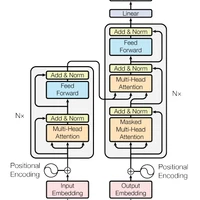


SpikeGPT: Generative Pre-trained Language Model with Spiking Neural Networks
As the size of large language models continue to scale, so does the computational resources required to run it. Spiking Neural Networks (SNNs) have emerged as an energy-efficient approach to deep learning that leverage sparse and event-driven activations to reduce the computational overhead associated with model inference. While they have become competitive with non-spiking models on many computer vision tasks, SNNs have also proven to be more challenging to train. As a result, their performance lags behind modern deep learning, and we are yet to see the effectiveness of SNNs in language generation. In this paper, inspired by the Receptance Weighted Key Value (RWKV) language model, we successfully implement `SpikeGPT', a generative language model with binary, event-driven spiking activation units. We train the proposed model on two model variants: 45M and 216M parameters. To the best of our knowledge, SpikeGPT is the largest backpropagation-trained SNN model to date, rendering it suitable for both the generation and comprehension of natural language. We achieve this by modifying the transformer block to replace multi-head self attention to reduce quadratic computational complexity O(N^2) to linear complexity O(N) with increasing sequence length. Input tokens are instead streamed in sequentially to our attention mechanism (as with typical SNNs). Our preliminary experiments show that SpikeGPT remains competitive with non-spiking models on tested benchmarks, while maintaining 20x fewer operations when processed on neuromorphic hardware that can leverage sparse, event-driven activations. Our code implementation is available at https://github.com/ridgerchu/SpikeGPT.

Markovian Gaussian Process Variational Autoencoders
Sequential VAEs have been successfully considered for many high-dimensional time series modelling problems, with many variant models relying on discrete-time mechanisms such as recurrent neural networks (RNNs). On the other hand, continuous-time methods have recently gained attraction, especially in the context of irregularly-sampled time series, where they can better handle the data than discrete-time methods. One such class are Gaussian process variational autoencoders (GPVAEs), where the VAE prior is set as a Gaussian process (GP). However, a major limitation of GPVAEs is that it inherits the cubic computational cost as GPs, making it unattractive to practioners. In this work, we leverage the equivalent discrete state space representation of Markovian GPs to enable linear time GPVAE training via Kalman filtering and smoothing. We show on a variety of high-dimensional temporal and spatiotemporal tasks that our method performs favourably compared to existing approaches whilst being computationally highly scalable.
Merging LoRAs like Playing LEGO: Pushing the Modularity of LoRA to Extremes Through Rank-Wise Clustering
Low-Rank Adaptation (LoRA) has emerged as a popular technique for fine-tuning large language models (LLMs) to various domains due to its modular design and widespread availability on platforms like Huggingface. This modularity has sparked interest in combining multiple LoRAs to enhance LLM capabilities. However, existing methods for LoRA composition primarily focus on task-specific adaptations that require additional training, and current model merging techniques often fail to fully leverage LoRA's modular nature, leading to parameter interference and performance degradation. In this paper, we investigate the feasibility of disassembling and reassembling multiple LoRAs at a finer granularity, analogous to assembling LEGO blocks. We introduce the concept of Minimal Semantic Units (MSUs), where the parameters corresponding to each rank in LoRA function as independent units. These MSUs demonstrate permutation invariance and concatenation-summation equivalence properties, enabling flexible combinations to create new LoRAs. Building on these insights, we propose the LoRA-LEGO framework. This framework conducts rank-wise parameter clustering by grouping MSUs from different LoRAs into k clusters. The centroid of each cluster serves as a representative MSU, enabling the assembly of a merged LoRA with an adjusted rank of k. Additionally, we apply a dual reweighting strategy to optimize the scale of the merged LoRA. Experiments across various benchmarks demonstrate that our method outperforms existing approaches in LoRA merging.
